



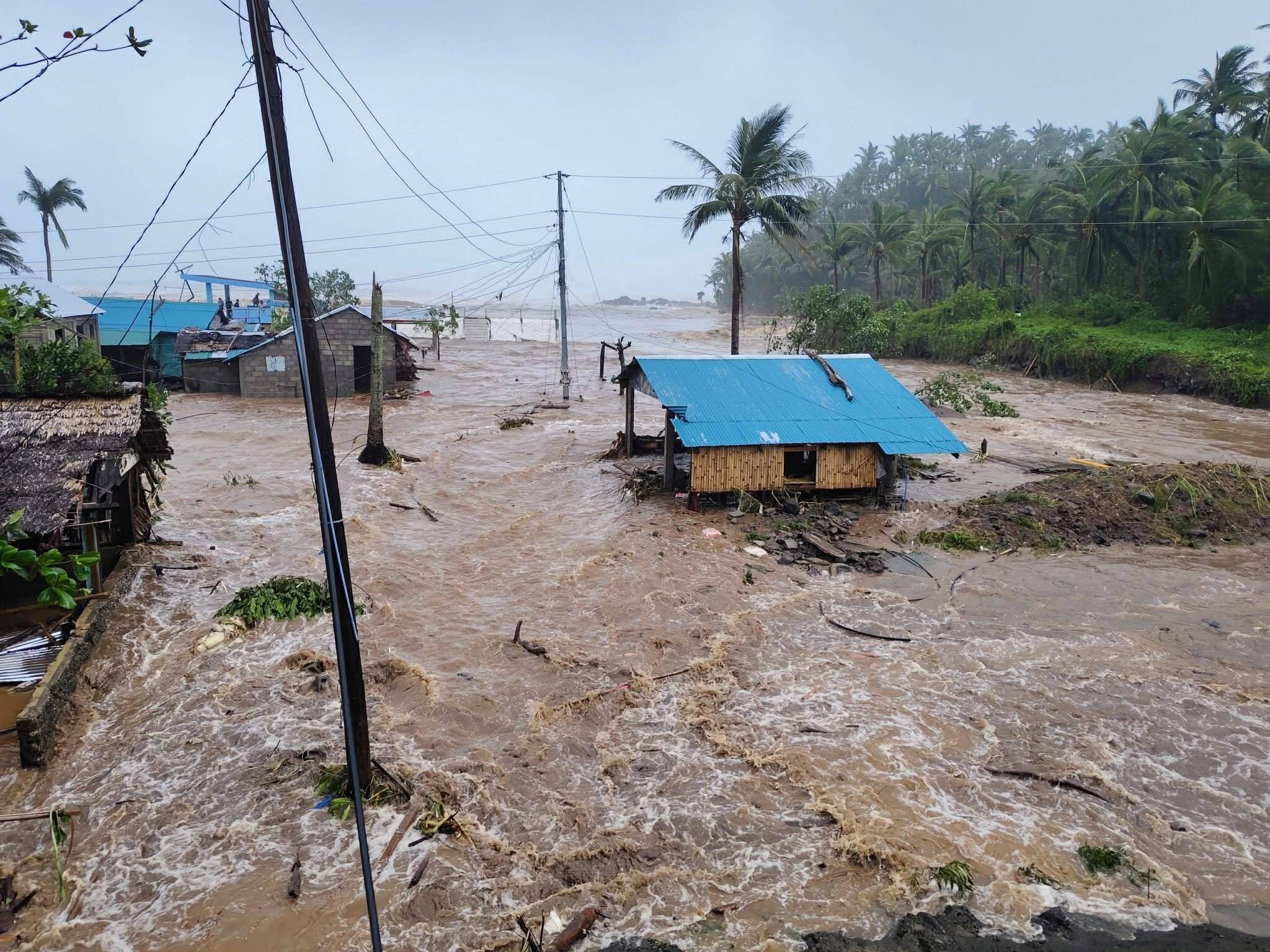
Aftermath Of Typhoon Uwan: Luzon Reeling, Millions Displaced
MANILA, Philippines—The Philippines is now grappling with the widespread aftermath of Super Typhoon Uwan (international name: Fung-wong), which tore across Luzon late Sunday, 9 November 2025. The powerful storm, which made landfall in Dinalungan, Aurora, has left a trail of destruction, prompting massive government response and displacing over a million people.
Casualties and Mass Evacuations
While the immediate death toll has been kept low due to extensive preparedness, authorities fear the final count may rise as damage assessment continues in isolated areas.
The National Disaster Risk Reduction and Management Council (NDRRMC) confirmed at least two fatalities—one in Catbalogan City, Samar, due to a collapsed structure, and another in Viga, Catanduanes, due to drowning. Two injuries have also been reported.
The number of affected individuals has soared, reaching over 830,000 across more than 2,700 barangays.
Crucially, 426,000 families, or about 1.4 million individuals, were pre-emptively evacuated, a measure officials credit with minimizing casualties. The Bicol Region recorded the highest number of evacuees.
Metro Manila was fortunate, with the MMDRRMC reporting zero casualties and no major infrastructure damage, a testament to the success of their unified preparedness efforts.
Widespread Damage and Service Interruptions
The storm's powerful winds and torrential rains have severely impacted infrastructure and public utilities across Luzon and parts of the Visayas.
Infrastructure: A total of 71 roads and 26 bridges remain impassable, mainly across the Bicol, Central Luzon, and Cordillera Administrative Regions, including isolated towns in Aurora province.
Power & Communication: Over 155 cities and municipalities are experiencing power interruptions, with more than 13 communities suffering water interruptions and 14 dealing with communication issues. Restoration efforts are underway but slow in heavily battered areas.
Housing: Initial reports indicate 1,085 houses were partially or totally damaged, mostly in the Western Visayas, Zamboanga Peninsula, and CARAGA regions.
Sea Travel: Around 180 seaports suspended trips, leaving over 6,190 passengers and thousands of rolling cargoes stranded.
Government Response and Relief Efforts
President Ferdinand R. Marcos Jr. led a situation briefing on Monday, ordering all government agencies to sustain and expedite relief and rehabilitation operations.
Relief and Aid: The Department of Social Welfare and Development (DSWD) and the Department of Health (DOH) have been instructed to continue delivering assistance and deploy medical teams to all evacuation centers.
Clearing Operations: The Department of Public Works and Highways (DPWH) has deployed heavy equipment and personnel to fast-track the clearing of impassable roads and bridges. The Philippine National Police (PNP) mobilized over 21,000 personnel to aid in rescue and relief.
Lingering Threat: While Typhoon Uwan has weakened and continues to move over the West Philippine Sea, the NDRRMC warned that lingering rains could still trigger flash floods and landslides in Central and Northern Luzon, as well as Metro Manila.
Relief efforts are complicated by the fact that the country is still reeling from the damage caused by Typhoon Tino (Kalmaegi) just days earlier, underscoring the severe and successive challenges posed by climate change-driven weather events.
Cover image: Devastation in a barangay in Pandan, Catanduanes./MDRRMO- Pandan, Catanduanes
