



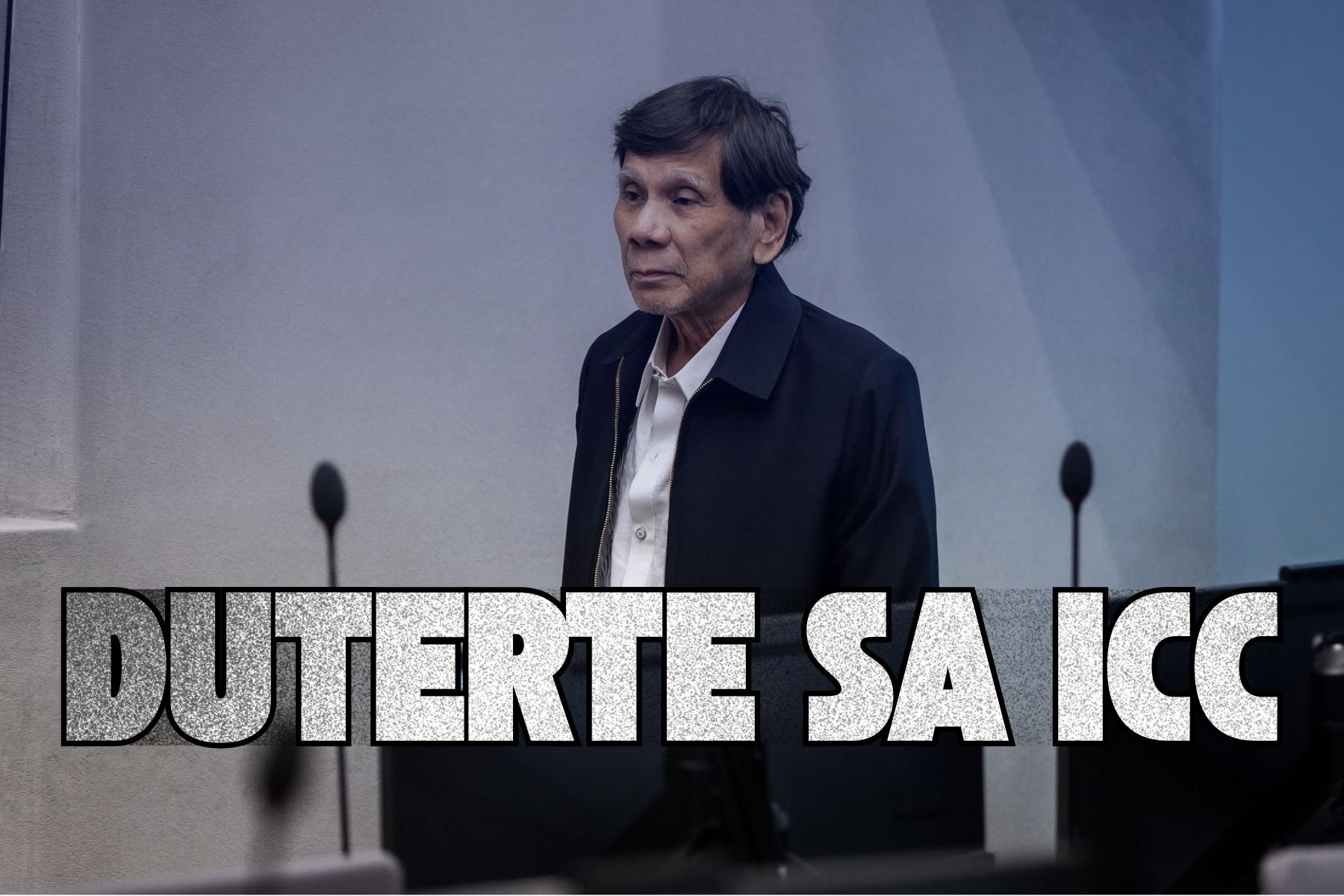
As Duterte is presented in court for the first time, parties tackle “massive” evidence and documents
THE HAGUE, THE Netherlands — For the first time, former Philippine president Rodrigo Duterte personally appeared at the International Criminal Court (ICC) trial chamber during a meeting of parties on Sept. 16, 2026.
Duterte is accused of three counts of crimes against humanity resulting in murders and frustrated murders in relation to his so-called war on drugs campaign during his terms as mayor of Davao City and as president of the Philippines. The crimes in consideration were allegedly committed between November 1, 2011 to March 16, 2019, the period when the Philippines was still a state party of the international tribunal.
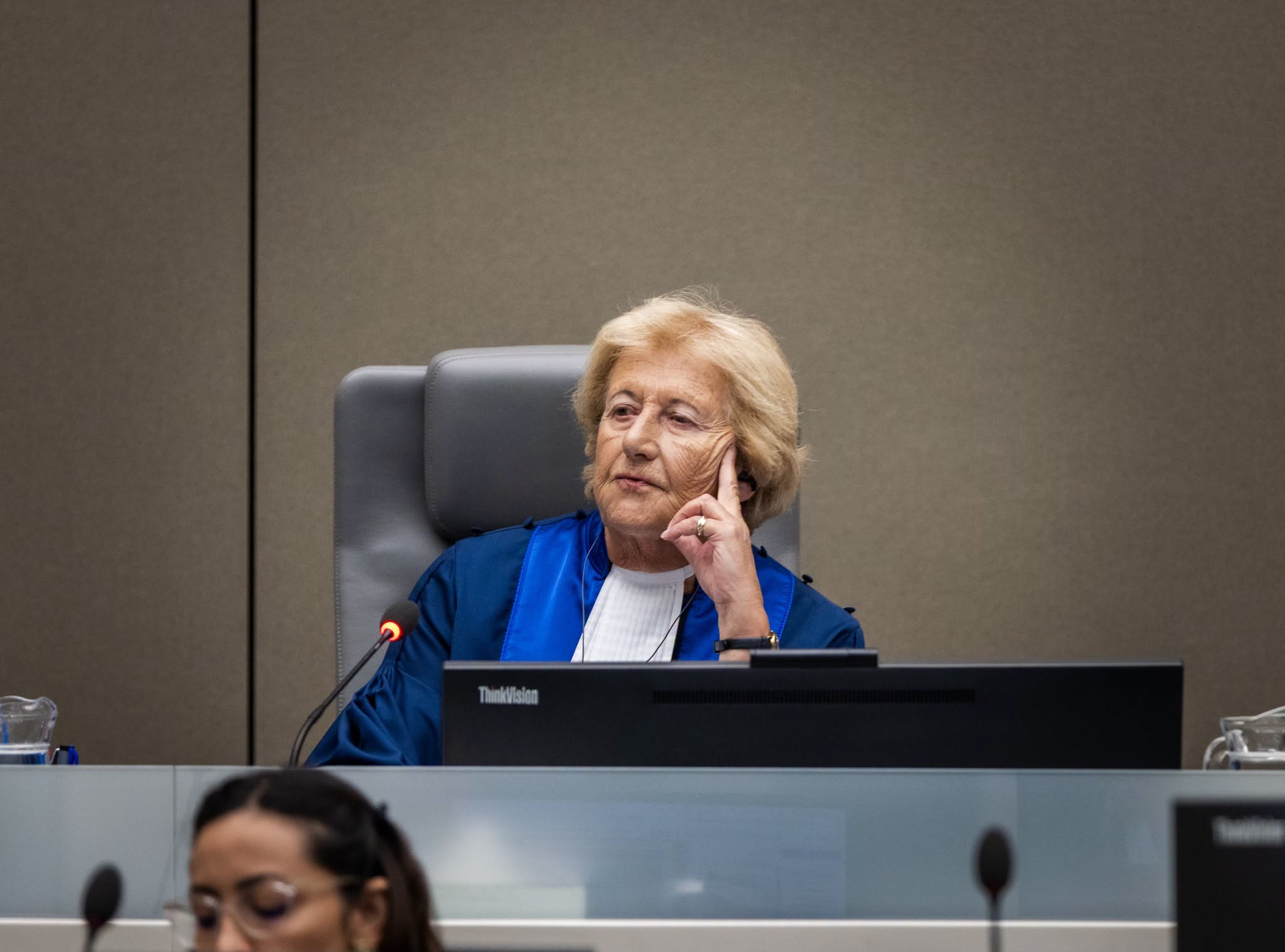
In a status conference last May 26, Trial Chamber III, composed of Presiding Judge Joanna Korner, Judge Keebong Paek and Judge Nicolas Guillou, ordered his appearance before the court since the former president had never set foot in the ICC chamber. He was last seen online from the ICC detention center on March 14, 2025 during his initial appearance, two days after he was brought to the Hague and surrendered to the ICC.
During the opening of the status conference, Presiding Judge Korner acknowledged Duterte’s presence.
"Can I just mention one thing? This is the first time that Mr. Duterte has been in this court. As far as the trial chamber is concerned, if he wishes to leave for any reason, he may do so, Mr. Haynes (lead defence counsel), without permission being sought," said Korner.
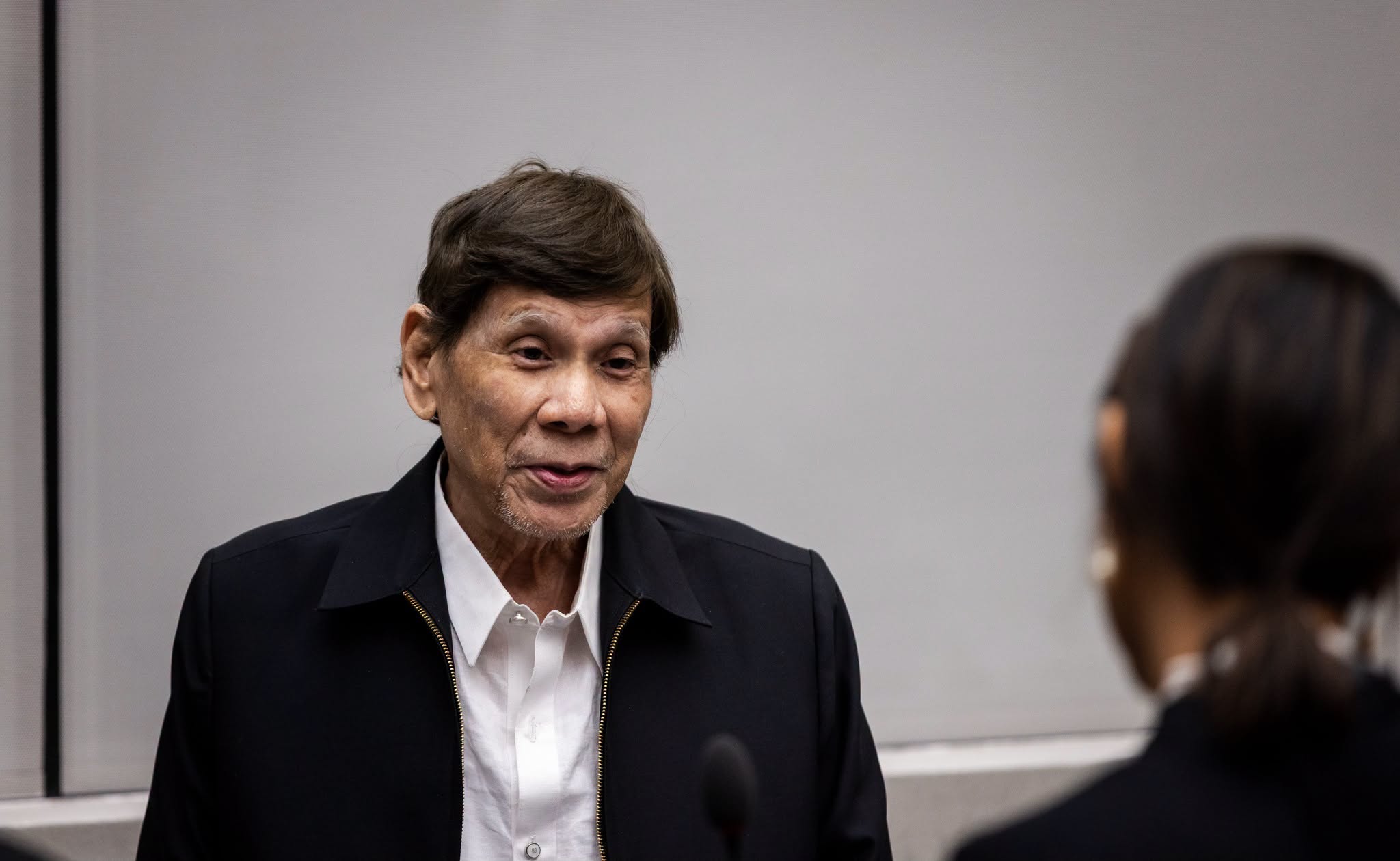
In dark suit and white shirt
Duterte wore a subdued black suit and a white shirt, a contrast to the blue suit that he wore (which his former counsel called “ill-fitting”)when he was presented for the first time online on March 14, 2026. He sat behind the defense team, in a row where two security personnel were seated on each side.
When he was acknowledged by the presiding judge, people in the gallery began looking in his direction. He was already sitting behind his defence counsels before the judges came in for the session.
Two grandchildren of Duterte - Omar and Isabelle Duterte - were in the front row of the gallery, one of the few instances when members of the Duterte family were present in such proceedings. They were not seen during the confirmation of charges. Omar, son of Duterte’s eldest son Paolo Duterte, was once previously in the gallery.
One or two supporters, seated at the back row of the gallery, looked emotional upon seeing him. Their group has been gathering outside the ICC detention regularly to express their support.
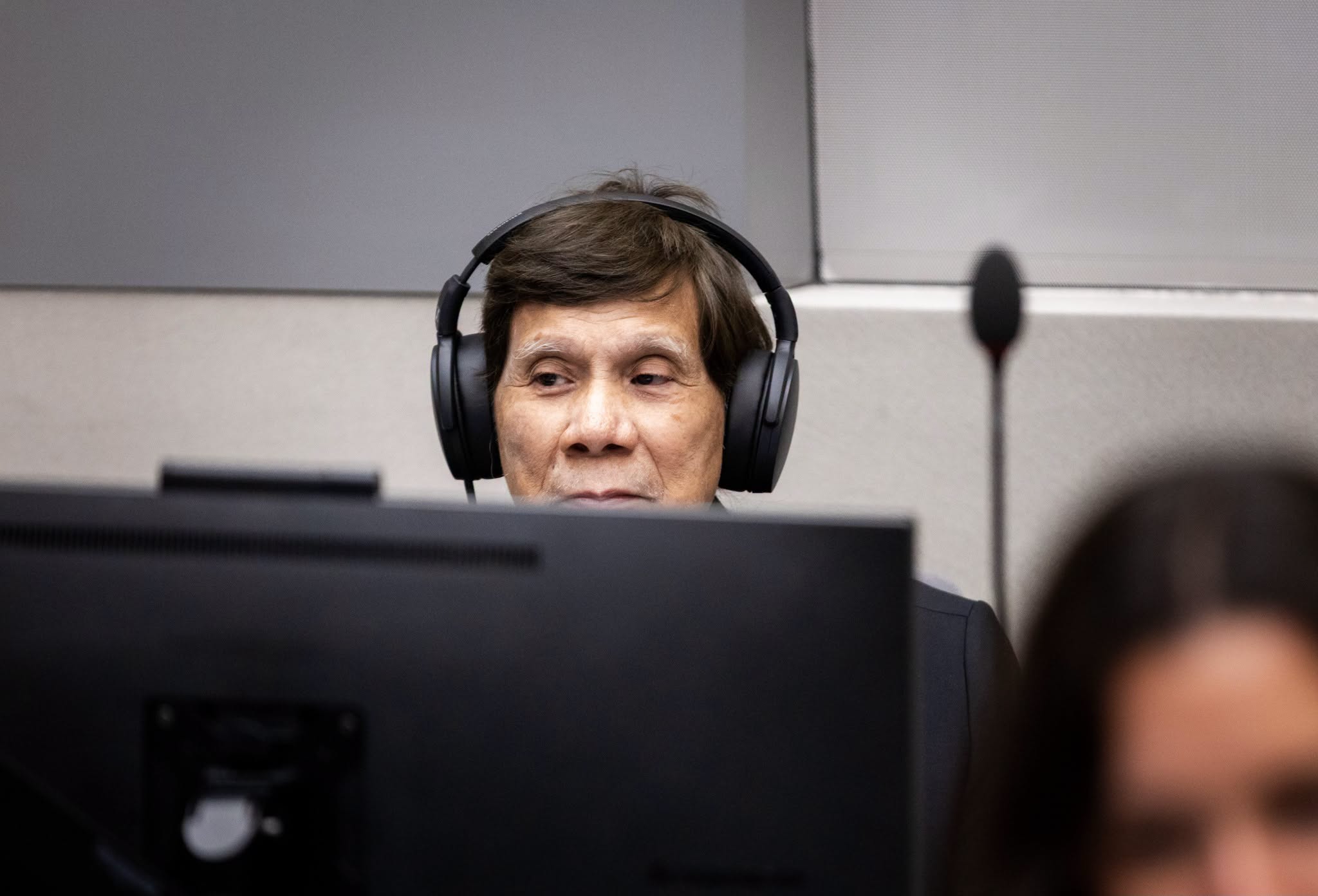
During the more than an hour long session that started at 10.30am (local time) and ended at 11.40am (local time), Duterte just sat quietly, often looking at the back or the computer screen in front of him, and not at the judges or lawyers.
He listened through his headset which he also removed a number of times, and drank water a few times.
After the hearing, his lawyers pointed him to the gallery where audiences were seated, including his two grandchildren. He waved and smiled in the direction of the gallery, while the grandchildren also waved back.
When asked after the session, grandson Omar said he didn't know whether his grandfather saw them from behind the glass as they waved at each other. The two grandchildren arrived last Monday (Sept. 14, 2026) for their turn of family visits.
Duterte supporters who were at the gallery also expressed emotions. Alvin Sarzate, who before the status conference said that “hopefully, one day I will be able to see him, whether personal or through digital platforms,” expressed his happiness upon seeing the former president in the courtroom. Most of them said they are overjoyed to see him looking well but at the same time sad that he is still being detained. Another said it was historic and momentous and it gave them hope.
Meanwhile, the Duterte Panagutin Network Netherlands, which earlier held a rally outside the ICC, said Duterte's appearance in court showed that he was capable of facing the proceedings.
"Duterte's appearance in court today proves he has been feigning sick all this time. It was all a delaying tactic, delaying justice and delaying healing for the victims’ families. We sincerely hope to see him again on the first day of the trial on November 30th, and for him to finally face the victims of his crimes," said Fiona Magallanes, Bayan Netherlands and convenor of Panagutin Network NL.
"Duterte has now appeared in court and looks well, exposing the myth that his camp has continuously pushed off a sickly old man supposedly unfit to stand trial."
The group said it hopes to see Duterte again when the trial formally begins.
Meanwhile, the Truth Commission, formed to provide extra-legal means in seeking the truth in the context of Duterte's drugs war said that the former president's appearance offers a measure of hope to the thousands who suffered under Duterte's anti-drug campaign.
New incidents and volumes of evidence
The status conference last Sept. 16 discussed some issues before the trial, as well as list of witnesses and evidence of the prosecution and disclosure of these to the defence.
The parties first discussed the number of witnesses for which the prosecution estimated at least 193 presentation hours. The judges and the defence noted that the witness list is long, and might contain repetitive testimonies. The chamber also noted the logistical challenges of presenting witnesses that may be presented online considering the time difference between the Netherlands and the Philippines.
“You may want to think about whether it is possible to reduce the number of witnesses. As I say, particularly where you've got apparently four experts on the same topic. It really is important, even more important than normal, that we conclude the case as quickly as possible. So I think you may want to think long and hard about this,” said Judge Korner addressing the prosecutors.
Assistant prosecutor Jeremy Nichols replied they are trying their best to limit the number of witnesses and that is already the reduced version.
“We estimated that we would need, when we made our submissions before the first status conference. We estimated we needed around 175 to 200 hours, so we were within that ballpark. But of course we will look for all opportunities to streamline our case. In the previous case that we were working on, at this stage, the total time when we provided our initial list of witnesses was 359 hours, so we're substantially below that,” said Nichols.
The prosecution has also proposed new incidents which will be added to the documents containing charges against Duterte.
In a motion filed by the defense led by Peter Haynes, they said the prosecution must first submit a request to the trial chamber whether they fall within the geographical scope of the original complaint. If not, the Chamber should order the prosecution to refile the documents containing charges.
He argued that the prosecution should first ask the Trial Chamber to determine whether the proposed incidents fall within the geographical scope of the original complaint.
If they do not, the defense said the Chamber should order the prosecution to refile the documents containing the charges.
Nearly 20,000 evidence items
The prosecution also said it intends to introduce more than 15,000 items of evidence.
Defense lead counsel Peter Haynes said reviewing the prosecution's evidence would require thousands of man-hours.
Haynes clarified that the prosecution's list contains 15,529 non-witness items and another 3,712 witness items, bringing the total to nearly 20,000 items.
"Your Honor quoted the figure of items in the prosecution's list as 15,529. That is, in fact, only the non-witness items. There are a further 3,712 witness items in the prosecution's evidence list. So it is just shy of 20,000 in total. And that compares with a figure of about 5,000 at confirmation. So notwithstanding your imploring them to be focused and economical in May, the list of exhibits has quadrupled. And I can say this, that of the incriminating items on the list, 80% of them were served in the last three weeks prior to the bar coming down on disclosure. (38:41) And I hate to make this confession, but we haven't got a prayer of reading 20,000 items of evidence by a trial date that starts at the end of November," defense's Haynes argued.
Defense raises Duterte's “memory impairment”
In a separate filing this week, Duterte's defense team raised concerns over what it described as significant memory impairment affecting the former president.
The defense said Duterte does not remember when he was last examined by the expert panel. It also claimed that he believes he is living in 2007 or 2008, and has difficulty remembering the names of family members and lawyers, as well as aspects of the legal process.
The defense said this could make it difficult for them to obtain instructions from Duterte and prepare his case.
They asked the court to allow an expert neurologist to re-examine Duterte and to cross-examine the experts who previously examined him.
Judge Korner said all pending motions would be resolved in writing. On the afternoon of Sept. 16, the chamber came out with a decision on the periodic review of Duterte’s continued detention. The judges ruled that the risks of flight and influencing witnesses have increased. Thus, Duterte should remain in detention.
Duterte's trial will start on November 30, 2026 until the December break and will continue until spring recess in March next year.
Photos: Duterte during the status conference at the ICC on Sept. 16, 2026. Courtesy: ICC-CPI


