



Au pair deployment by Ph to Netherlands to stop by July due to abuses
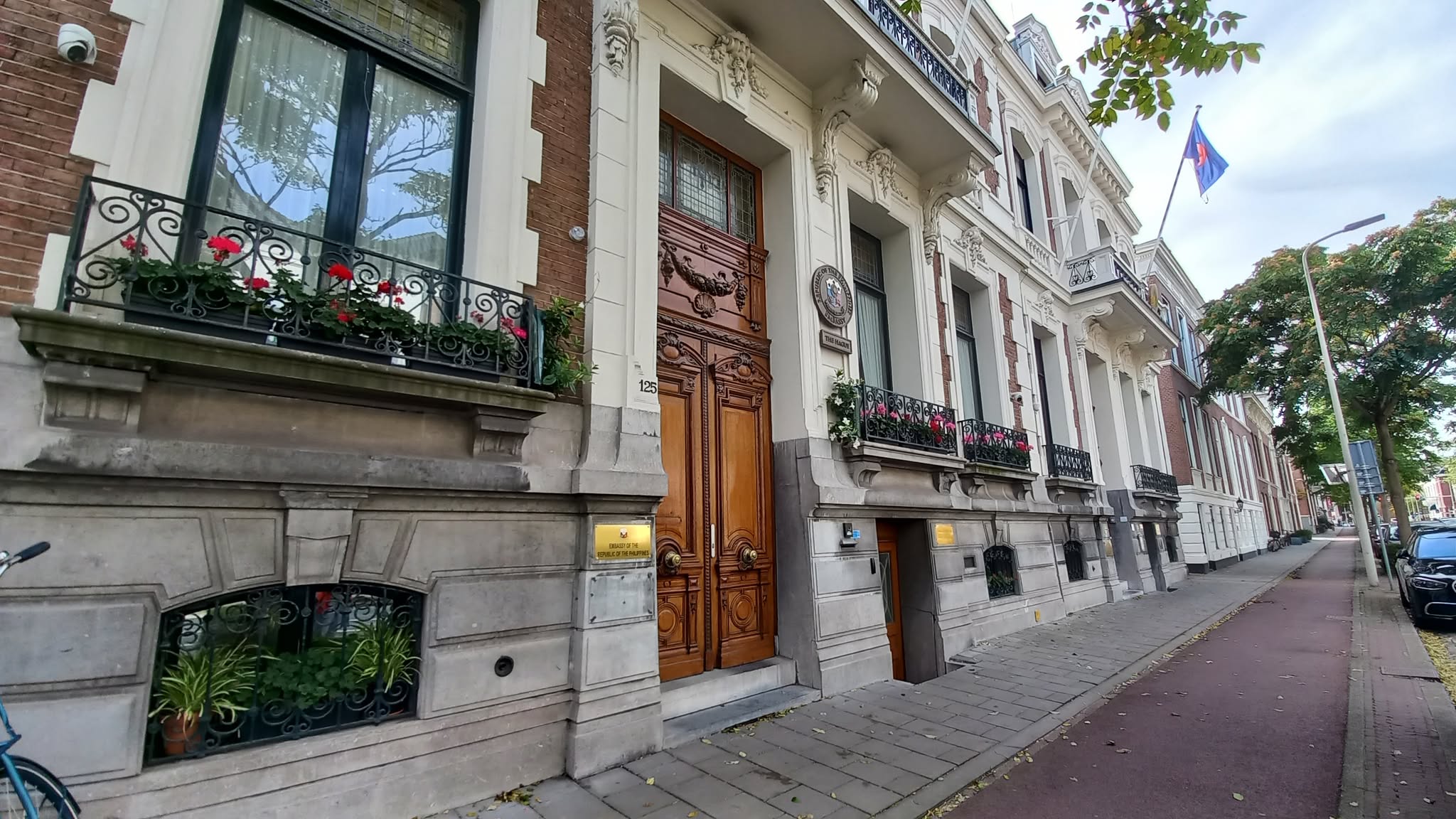
THE HAGUE, Netherlands — The Philippine Embassy in The Hague will stop approving au pair contracts for Filipinos who wish to come to the Netherlands starting July 1, 2026.
The decision follows reports of abuses involving au pair agencies and host families. According to the embassy, it has “repeatedly” received complaints from au pairs who are made to work excessive hours and receive allowances below what is required. Many, the embassy said, are effectively “forced to work full-time as babysitters.”
In its statement, the embassy explained:
“The suspension will remain in place until it is determined that a clear mechanism exists to address the issues encountered by au pairs and to ensure effective compliance by relevant parties with the regulations of the Philippines and the Netherlands on the au pair arrangement as a cultural exchange program.”
The Philippine government is currently investigating the situation of au pairs in the Netherlands. Until the investigation is completed, visa applications from Filipino au pairs will not be processed. Existing contracts will continue to be processed until July 1.
The embassy emphasized that the au pair program is intended as a cultural exchange, allowing participants to learn about local society and culture. However, it noted that many families treat au pairs as an alternative to hiring domestic workers. Reports indicate that au pairs often spend most of their time on household chores and childcare, sometimes working beyond the maximum 30 hours per week, receiving less than the €340 monthly allowance, and not being granted the required two days off per week.
For comparison, babysitting or cleaning jobs in the Netherlands typically pay €15–25 per hour, meaning families would spend significantly more without an au pair.
The embassy added that similar measures have been implemented by Philipine embassies in France (since 2016), Switzerland (since 2017) and Germany (since 2024) also because of abuses.
Local Dutch media reported that The Ministry of Justice and Security says it has taken note of the decision of the Philippine embassy, but they were not informed in advance.
Exploitative scheme
Every year, around two thousand au pairs from outside the EU come to the Netherlands, and this number has been steadily increasing. The Philippines consistently ranks as the top country of origin for au pairs in the Netherlands.
Several studies on the Dutch au pair system have found that the program—officially framed as a form of cultural exchange—often functions in practice as a cover for domestic work.
Entry into the Netherlands as an au pair is arranged through an accredited au pair agency recognized by the Immigration Bureau IND. These agencies act as sponsors, but the process resembles job recruitment: candidates undergo interviews and screening, and once approved, their profiles are posted for potential host families. Interested families then conduct interviews to determine whether the au pair is a suitable match.
The recruitment process is further detailed in a master’s thesis from the Institute of Social Studies (ISS) by Mitchie Boncodin‑Isip, titled “Who Cares about Au Pairs? A Study on the Work and Social Protection Experiences of Filipina Au Pairs in the Netherlands.”
“Some au pairs later on attended orientation on Dutch culture and what to expect for being an au pair; while the other au pairs have only become aware of their duties upon signing the contract. Other au pairs also recalled that they must go through a week-long training where they are taught housekeeping and even biking skills.”
While a number of au pair agencies are responsible and kind enough to the au pairs under their contracts, many have also negative experiences.
“Bianca, who needed to change her au pair agency and eventually transferred to another host family said: “They need to balance the story of the host family and the au pair. In my previous agency, they are siding with the story of my host family. They need to check the situation of the au pair, the relationship between the host family and au pair. I realized that this agency is just about money,” the thesis read.
In the thesis, interviewed au pairs shared exploitative experiences.
“I just didn’t like how the kids treat me. They spat on me, shouted at me. Sometimes, they even suspected me that I stole their laptop because they couldn’t see it. If the kid was not on the mood, the kid blamed it on me. The second kid was a sadist. If he did not like something, he will kick me, slap me, and spit on me. He spat on me twice. The host parents will get mad at the kids when these things happened. However, I discovered that they were also talking behind my back.”
Boncodin’s thesis further read: “The au pairs, whose voices would like to be heard, insist that the au pair agencies must: a) protect the au pairs especially when they made aware that the au pairs are being exploited, and b) ensure that the host family is following the rules and regulations of the au pair scheme.”
Dutch Immigration warns of exploitation
For years, there have been growing concerns about abuses within the au pair sector. According to the Immigration and Naturalisation Service (IND), “several dozen reports of abuse of the au pair scheme” have been filed in recent years.
In 2021, the Netherlands introduced stricter rules for the program. The maximum age for au pairs was lowered from 30 to 25, and au pairs were prohibited from being married or having children, including foster children. These changes were intended to reduce financial vulnerability and prevent exploitation.
Despite these measures, many au pairs continue to report being required to work more than the permitted 30 hours per week and to perform heavy household tasks, such as intensive cleaning or garden maintenance. Under the regulations, au pairs are only allowed to perform light housework, including shopping, laundry, and cooking.
Concerns intensified last year when a Dutch television program exposed exploitative practices at the au pair agency Nina Care. The agency reportedly failed to properly screen au pairs and was unreachable when problems arose. As a result, the IND revoked Nina Care’s permit, stating that the company had “repeatedly violated the rules in the past two years and has not shown enough that it wants or can improve the situation.”
Overhaul of au pair system needed
Interest group Center for Philippine Concerns (CPC), which advocates for Filipinos in the Netherlands, has expressed concern over the Philippine Embassy’s decision.
According to the CPC, “This move effectively denies Filipino au pairs access to the Netherlands, while little is done to address the root causes of exploitation and abuse.”
The organization also criticizes the current structure of the au pair scheme. “For years, the au pair program has been promoted as a ‘cultural exchange,’ but in practice many Filipino women perform housework and childcare for pocket money of €300 to €350 per month—far below the Dutch minimum wage.” The group argues that Filipino au pairs deserve greater protection and fairer compensation.
Eunice Asis, a Filipino community worker who supports au pairs and others in difficult situations, said she recognizes the exploitation within the system and believes the program needs to be fundamentally reconsidered.
“It is also worth honestly recognizing that the current au pair system, as it exists today, is another form of exploitation that continues to leave many young migrants vulnerable, and this reality should prompt a serious discussion about whether the program should be fundamentally reformed or abolished altogether, she sayid in a Facebook post.
However, she thinks the decision of the embassy to suspend the notarization of au pair contracts creates confusion.
“The Dutch government has not suspended the au pair program and it continues to operate legally. What is creating confusion right now is the decision on the Philippine side to suspend or limit authentication procedures without clearly communicating what alternative process, if any, is available for applicants. If the goal is to protect Filipino migrants, then there should be clear guidelines, transparent communication, and practical solutions for those who are directly affected,” she added.
“From my own experience handling cases, notarized or authenticated contracts by themselves do not stop abuse. I have assisted au pairs who experienced exploitation even when all the required documents were in place. I have also seen how the au pair program can become a pathway for some young people to enter Europe and later remain without residence permit, often because of limited opportunities, broken placements, or the hope of building a future beyond the temporary program. That is why any discussion about protection should go beyond paperwork and focus on stronger monitoring, faster responses to complaints, accountability for agencies and host families, real support for vulnerable au pairs.”
Meanwhile, Fairwork, an NGO working to protect workers, said to combat exploitation, the maximum number of hours should be reduced to fifteen hours per week.
"Compared to other European countries, the Netherlands is on the high side with 30 hours a week. That's almost a full working week." Host families would also be required to demonstrate that they have alternative care for the children. "So that the au pair also has time to get to know the Dutch language and culture."
Consultations by Dutch agencies with Filipino organisations and other stakeholders to improve the situation of au pairs took place in 2006, 2011 and 2012. One of those consulted was the Bayanihan Foundation, which helps Filipinas in difficult situations. Among those discussed were hours of work and what were considered light work.
Pathway to Europe
Despite the exploitative conditions, many au pairs remain motivated to join the program because it offers them a chance to travel to Europe.
In an informal conversation with this reporter a few months ago, several au pairs admitted that their primary motivation was the opportunity to see Europe and explore the world. They were aware that the allowance they received was not enough to save or send money home, and some even acknowledged that they earned higher salaries in the Philippines.
This finding aligns with Boncodin‑Isip’s study, which notes that au pairs are often driven by aspirations to travel, live abroad, learn a foreign culture, and pursue personal development.
As the study describes, “For someone who has no migration history like Anna, Grace, Mae, Fe, and Cheska, being in the Netherlands as an au pair is a dream come true, as they have been musing about living abroad since childhood.”
A day in au pair’s life
In Boncodin‑Isip’s thesis, a typical day in an au pair’s life is described in detail.
Luz, one of the participants, shares: “I wake up at 7 in the morning. I cook breakfast for the family and prepare the lunch box of the kids. After that, I bring the kids to school and later pick them up. I tidy up their rooms, then wash and fold the clothes when the kids and my host parents leave. In the evening, I prepare the dining table and sometimes cook for them.”
Most au pairs follow a similar routine: they start early to prepare breakfast and school lunches, send the children off, and then clean or do laundry once the house is quiet. In the afternoon, they pick up the kids, and in the evening they help with dinner. Some au pairs mainly babysit, especially in families with babies, focusing on supporting the mother with childcare. Many describe the work as light because of household appliances and, in some homes, a regular cleaner.
However, in practice, their working hours often extend beyond what is stated in their contracts.
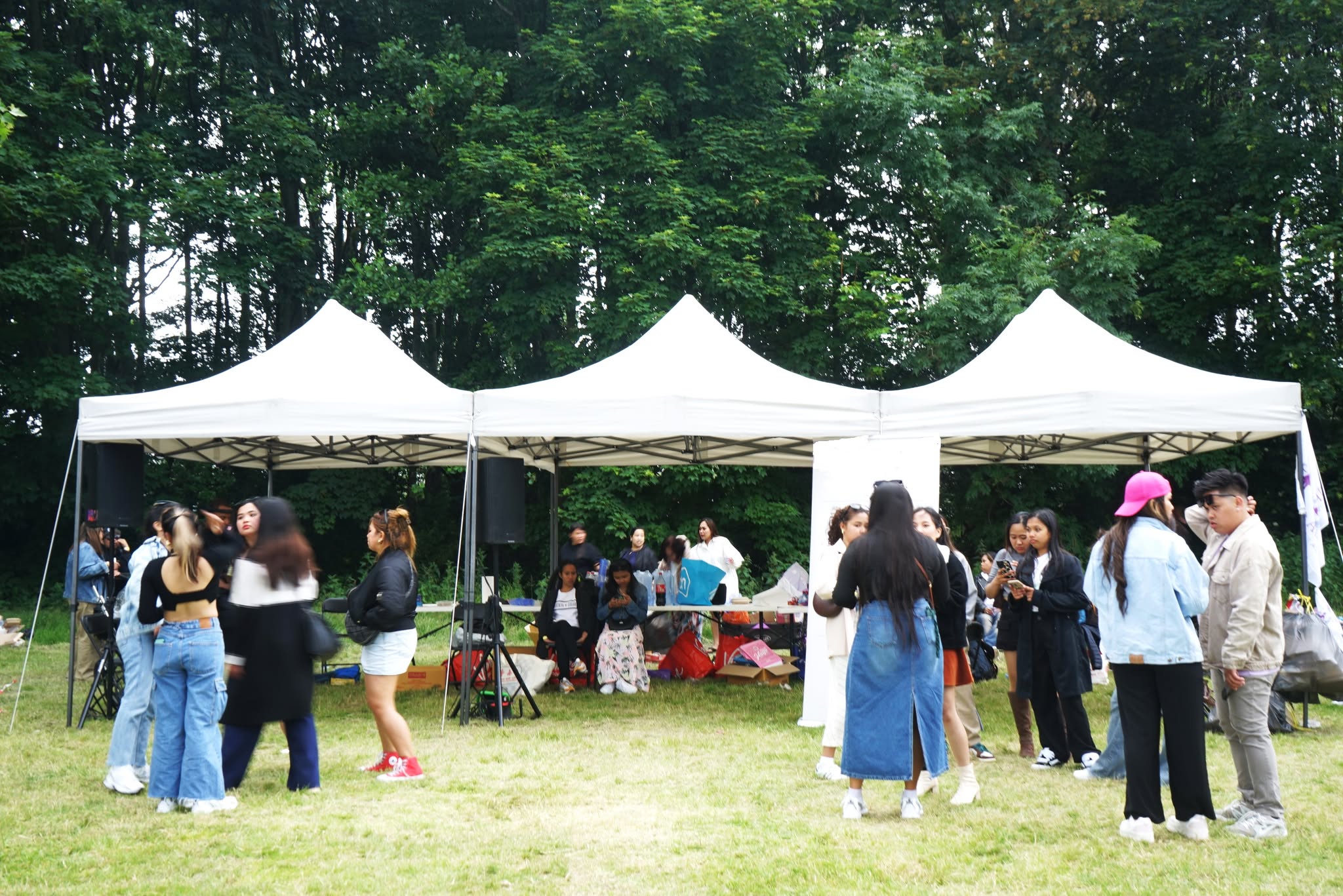
On weekends, au pairs spend time experiencing Dutch culture or going out with friends—usually fellow au pairs. They visit tourist sites and try local food. Host families often introduce them to Dutch treats such as stroopwafels (thin waffles filled with syrup) and salted herring, or take them to places like the Zaanse Schans windmills and wooden shoe museums.
