



Expert panel finds Duterte “suffers from significant memory impairment”:Defence asks ICC judges to order neurologist to examine him anew
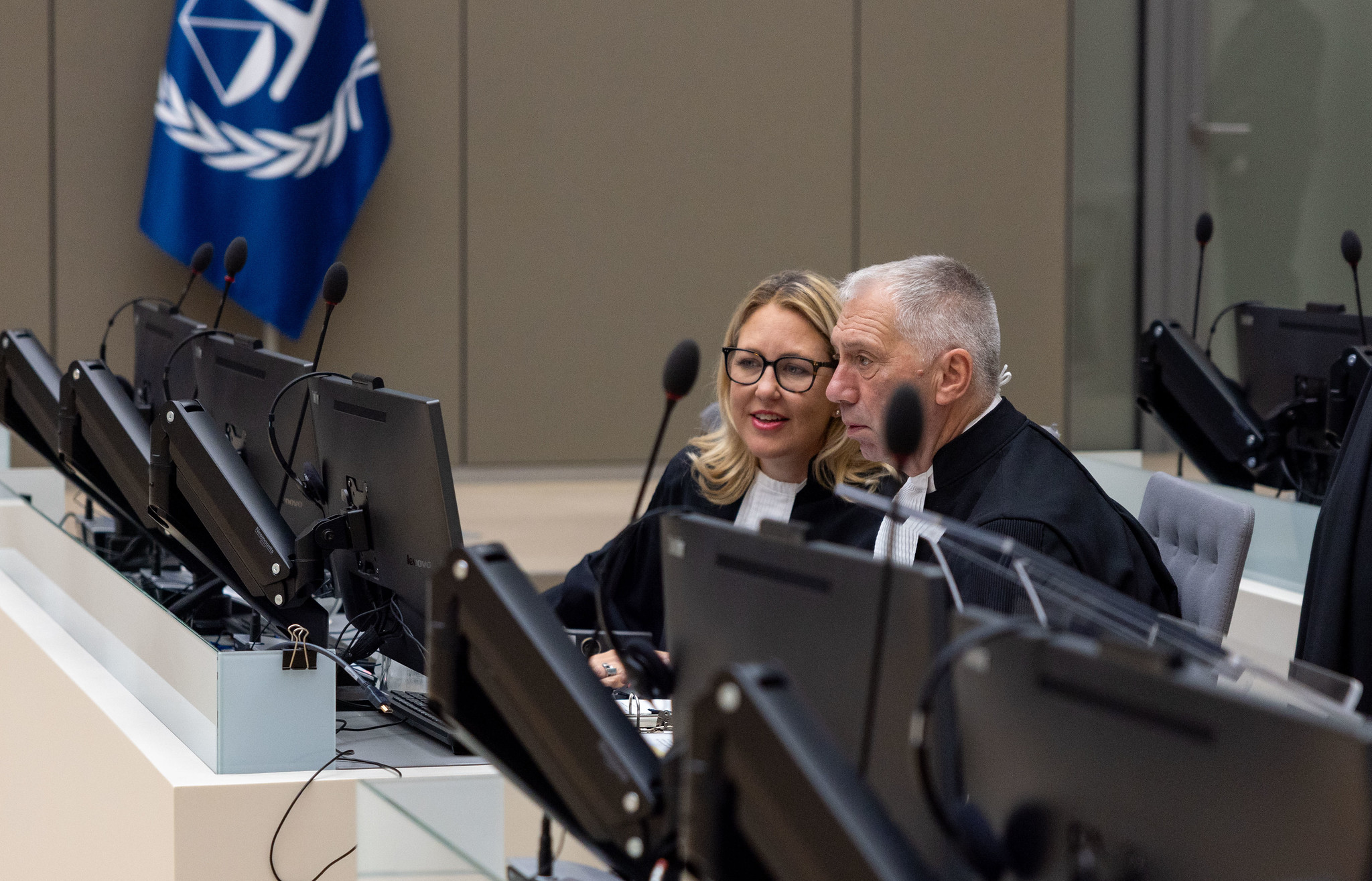
Photo: Duterte led defence counsel Peter Haynes with his co-counsel during a status conference on June 23, 2026. Photo courtesy: ICC-CPI
THE HAGUE, THE Netherlands — Former Philippine president Rodrigo Duterte “suffers from significant memory impairment that prevents him from retaining recent information and reliably accessing memories,” according to a recent filing from his defence team.
Duterte is being detained at the International Criminal Court (ICC) for charges against humanity relating to his brutal war on drugs during his time as mayor of Davao City and as president.
In a 13-page “Defence Observations on the Joint and Individual Reports of the Panel of Experts” dated Sept. 14, 2026, lead counsel Peter Haynes quoted parts of the report of the Expert Panel that examined Duterte.
Because of the significant memory impairment, the defence added that “this makes it difficult for him (Duterte) to engage meaningfully with the charges, the alleged incidents, the tens of thousands of disclosed items of evidence, let alone give proper instructions to his Lead Counsel, whose name he only sometimes remembers.”
The defence’s filing also pointed to findings that Duterte, for example, could not remember being examined by the experts 10 months earlier; sometimes believed he was living in 2007 or 2008; had difficulty identifying some family members and recalling recent visits; showed confusion about his lawyers, legal proceedings, and aspects of his case; and displayed inconsistent recall and attention problems.
The defence argued that this would result in a huge task for them to prepare the case without meaningful input from their client.
As a relief, they sought further testing from a neurologist before the court makes a final determination
The defence also asked the judges to allow the parties to question the appointed experts, “either orally or in writing, on the findings and conclusions set out in their reports.”
Meanwhile, in another filing by the prosecution on Sept. 14, 2026, they claimed that based on the findings of the Expert Panel, the judges should declare him fit to stand trial. Any separate hearing to discuss his health status or to question the findings of the experts, according to them, is unnecessary and not within the rules.
On May 26, 2026, during a status conference, the Trial Chamber III led by Judge Joanna Korner ordered the Expert Panel to conduct a medical examination before the commencement of trial scheduled on Nov. 30, 2026. The Panel is composed of the same three highly qualified multidisciplinary experts that evaluated Duterte during a previous medical examination ordered by the Pre-trial judges more than six months ago.
The health examination was ordered to determine whether Duterte has the capacity necessary for the meaningful exercise of his procedural and fair trial rights at the trial phase, including the ability to: 1. Understand the charges; 2. Understand the purpose and consequences of the proceedings; 3. Follow the course of the proceedings, including the nature and implications of entering a plea; 4. Understand the evidence; 5. Testify or make an unsworn statement, if he so chooses; and 6. Instruct counsel in the preparation and conduct of his defence.
Inconclusive and disputable
While the full findings of the Expert Panel remain undisclosed due to privacy issues, the defence filing indicated that although the experts identified poor performance on multiple cognitive tests, they concluded Duterte remained fit to stand trial. The experts also suggested some test results may have reflected "underperformance" rather than true incapacity.
For the defence, the findings of the Panel are inconclusive and disputable. The defence argued there is insufficient evidence for that conclusion and said the results are more consistent with genuine cognitive impairment.
The defence also argued that the medical assessment was incomplete. They claimed the neurologist did not perform additional examinations that could have clarified whether an underlying neurological condition is causing Duterte's symptoms.
According to the filing, some of these tests would not have depended on Duterte's cooperation and could have helped determine whether his deficits stem from a medical disorder rather than lack of effort.
The defence sought relief that “In light of the importance of these conclusions…the Trial Chamber should seek greater medical certainty from the experts as to the nature and extent of Mr Duterte’s cognitive impairments, by directing them to complete ancillary examinations for that purpose. This would allow the experts to confirm or exclude, once and for all, the possibility that his performance was the result of his failing to apply himself fully and would allow the Trial Chamber to interpret their final assessments on a properly informed basis.”


