



Filipino Seafarers Could Get New Jobs in Chile as Manila, Santiago Move to Recognize Each Other’s Maritime Certificates
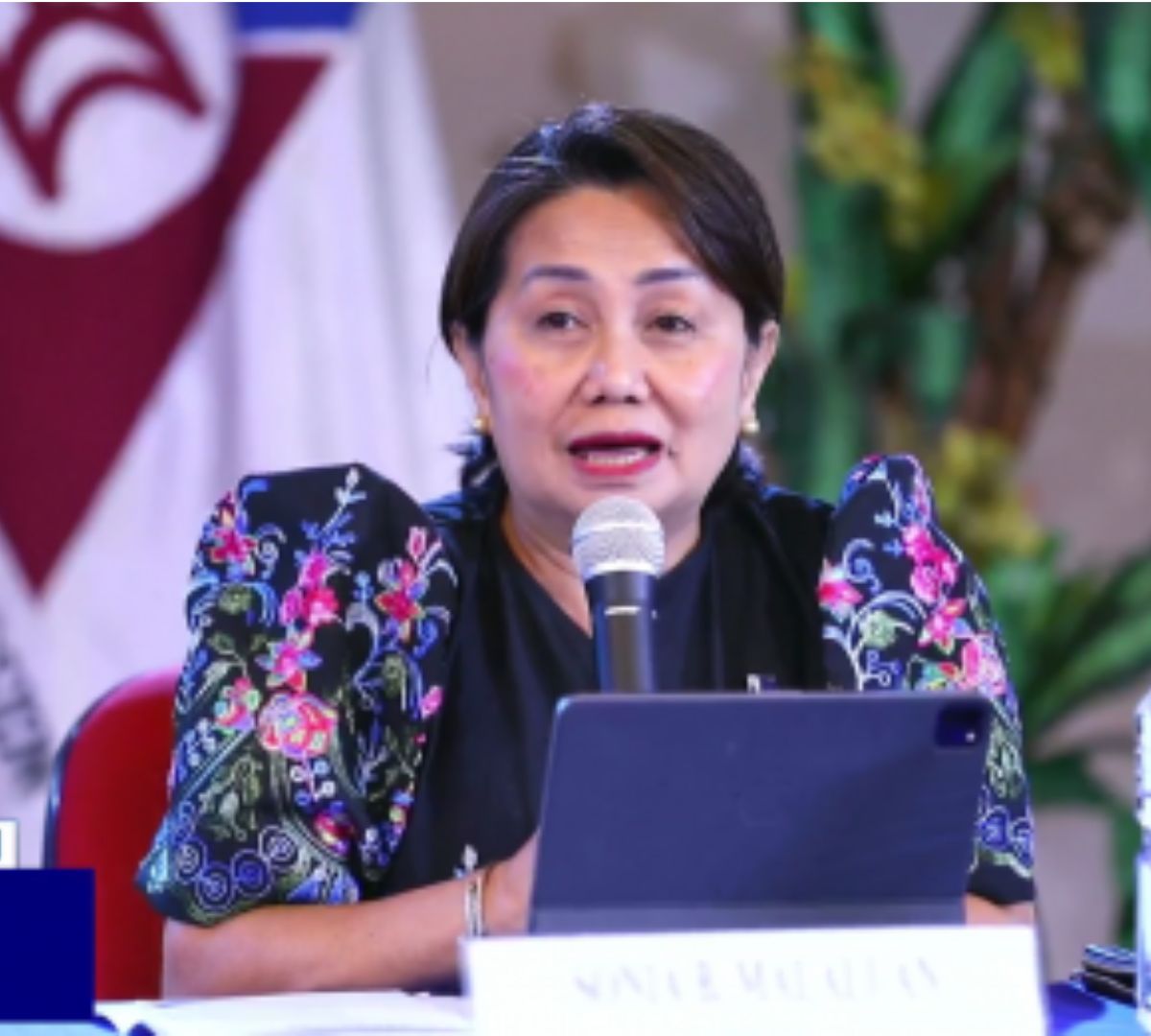
Photo by PIA: Maritime Industry Authority (MARINA) Administrator Sonia Malaluan
MANILA — Thousands of Filipino seafarers could gain access to another international labor market as the Philippines and Chile move toward a landmark agreement that would allow the two countries to mutually recognize each other’s seafarer certificates.
The proposed agreement would establish reciprocal recognition of Standards of Training, Certification and Watchkeeping (STCW) certificates issued by the Philippines and Chile, the Maritime Industry Authority (MARINA) said.
MARINA Administrator Sonia Malaluan announced the development Friday during a meeting with Chilean Ambassador to the Philippines Felipe Alejandro Díaz Ibáñez at the MARINA Central Office in Manila.
The initiative could make it easier for qualified Filipino seafarers to have their Philippine-issued credentials recognized in Chile, potentially opening new employment opportunities in the Chilean maritime sector.
Why reciprocal recognition matters
For a Filipino seafarer, having a valid Philippine certificate does not automatically mean that every foreign maritime authority will accept it for employment.
Countries can require foreign seafarers to undergo additional verification or recognition procedures before allowing them to work aboard vessels under their jurisdiction.
A mutual recognition agreement helps remove that barrier.
Under the proposed Philippine-Chile arrangement, the two countries would recognize that their respective systems for maritime education, training, examination and certification meet the standards required under the international STCW framework.
The agreement is being developed in accordance with Regulation I/10 of the International Convention on Standards of Training, Certification and Watchkeeping for Seafarers, commonly known as the STCW Convention.
In practical terms, this means a Filipino seafarer who has completed the required training and holds the appropriate Philippine certification could have a clearer pathway to having those qualifications recognized in Chile.
A bigger labor market for Filipino seafarers
The Philippines is one of the world's major suppliers of maritime labor, with Filipino officers and ratings working aboard commercial vessels around the globe.
For the country's seafarers, therefore, recognition of credentials can be just as important as the availability of jobs themselves.
A certificate that is not easily recognized in another country can create additional paperwork, delays and costs for workers and employers.
Reciprocal recognition can help make the process more predictable.
It can also make Filipino seafarers more attractive to international employers because their qualifications can be assessed through a framework already aligned with internationally recognized standards.
That is the real significance of the proposed Philippine-Chile agreement: it is not simply a diplomatic document. It can function as a labor-market passport for qualified Filipino maritime workers.
Why Chile matters
Chile has one of Latin America's most important maritime economies, with extensive Pacific Ocean coastlines and major activities involving shipping, ports, fisheries, maritime services and offshore industries.
Greater recognition of Filipino qualifications could therefore give Filipino maritime professionals another potential destination beyond the country's traditional employment markets.
For Chile, meanwhile, access to a highly trained international maritime workforce could help support its own shipping and maritime industries.
The arrangement could thus benefit both sides.
Beyond jobs: fighting illegal fishing
The discussions also went beyond employment.
The Philippines and Chile expressed a shared interest in developing a highly skilled maritime workforce while cooperating on the fight against illegal, unreported and unregulated (IUU) fishing.
IUU fishing is a major international concern because it can undermine legitimate fishing industries, damage marine ecosystems and deprive governments and coastal communities of economic benefits.
The two countries' maritime cooperation could therefore extend from commercial shipping and employment into broader ocean governance and marine protection.
Chile backs global ocean-protection efforts
Ambassador Ibáñez also encouraged the Philippines to support initiatives under the Biodiversity Beyond National Jurisdiction (BBNJ) Agreement.
The agreement is designed to promote the conservation and sustainable use of marine biodiversity in areas beyond national jurisdiction, often referred to as the high seas.
That adds another dimension to the emerging maritime partnership.
While the proposed STCW agreement is primarily about people, qualifications and employment, the broader discussions encompass shipping, fisheries, maritime security and conservation of the world's oceans.
What happens next?
The reciprocal recognition agreement still has to be finalized.
Once concluded, it would provide a formal mechanism for recognizing qualifying STCW certificates issued by the maritime authorities of both countries.
MARINA said the initiative is part of its continuing effort to expand international partnerships and strengthen the global recognition of Filipino seafarers' competence and qualifications.
For Filipino maritime workers, the potential payoff is straightforward: another country where their internationally recognized skills could translate into employment.
And for a country whose seafarers have become one of its most important global workforces, every new recognition agreement can mean another door opening abroad.
Significance
The proposed Philippines-Chile deal matters because a seafarer's certificate is effectively a key to the international maritime labor market.
The more countries that formally recognize Philippine credentials, the fewer regulatory barriers Filipino seafarers face when seeking employment overseas.
If finalized, the Chile agreement could therefore turn international recognition into new job opportunities, while deepening cooperation between Manila and Santiago on shipping, fisheries and protection of the world's oceans.


