



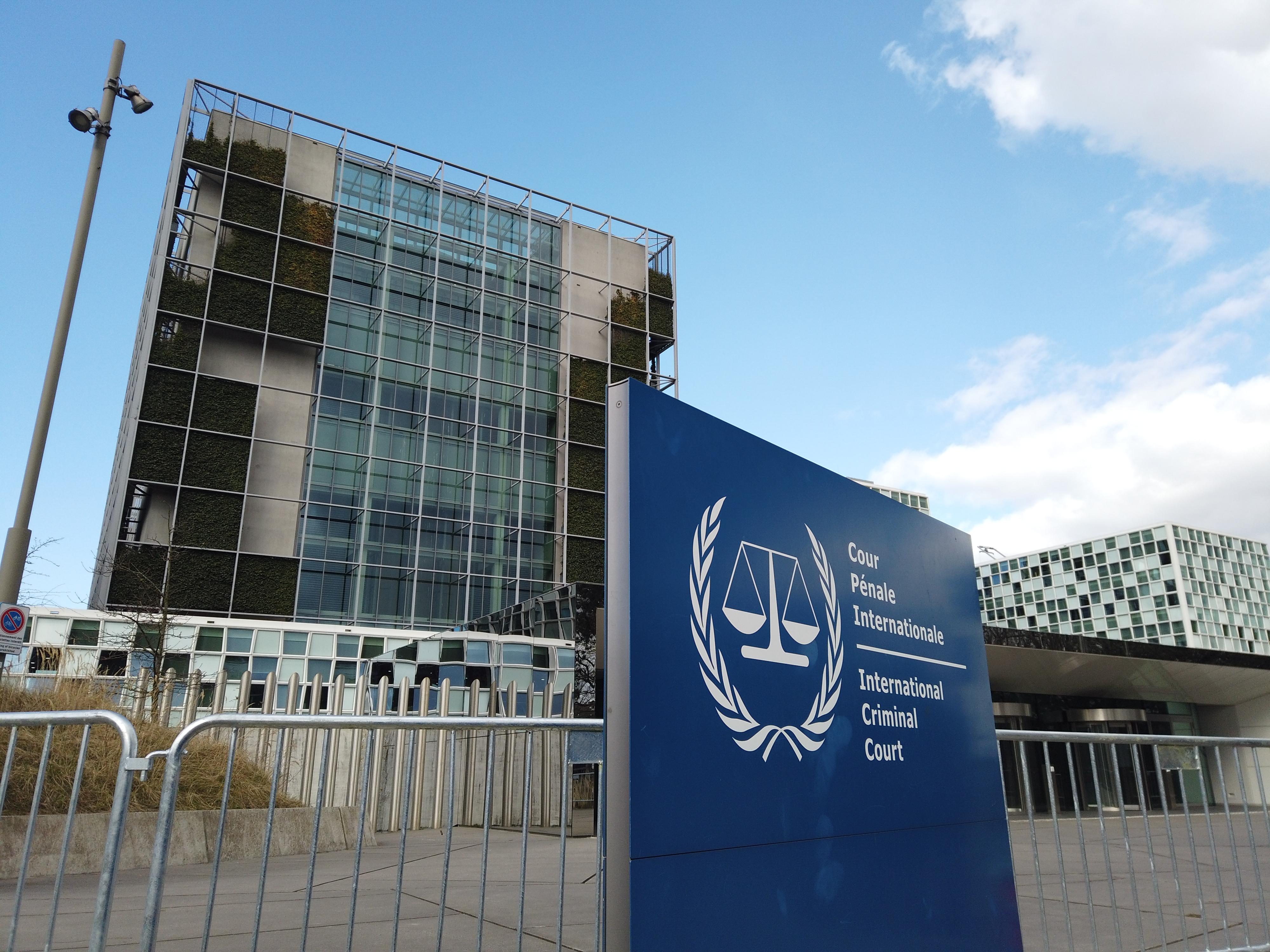
ICC strikes balance between fairness and effectiveness of proceedings, says spokesperson
THE HAGUE, Netherlands — What is the wisdom of the International Criminal Court (ICC) judges in setting the date for trial this year against former president Rodrigo Duterte?
The answer would be striking a balance of fairness and expediency considering the age of the accused and his possible health condition.
When asked the question through email: “People, especially Filipinos, are wondering how long does it take for a trial, considering the accused is already 81 years old”, the ICC spokesperson Oriane Maillet said, "ICC proceedings can be lengthy due to the complexity and scale of the crimes and evidence. While the Court works to ensure efficiency, a careful balance must be struck between the fairness and effectiveness of proceedings."

The full trial for the crimes against humanity cases related to Duterte’s war on drugs when he was mayor of Davao City and president of the Philippines has been set on Nov. 30, 2026, a few months from now.
Judge Joanna Korner, Presiding over Trial Chamber III on the May 27, 2026 status conference of parties, said among the reasons she went with the proposal of the date from the prosecutors was the age of the accused and possibly his health condition.
The defense wanted the full trial to start next year, saying they would need a minimum of three months after the last disclosures of evidence to prepare for trial, and to address their concerns over the health of Duterte.
Judge Korner ordered an immediate convening of the experts who will look into Duterte’s health and asked both the prosecution and defence to issue a joint instruction to the panel of health experts so both parties have the same frame of reference.
Arrest warrants against co-perpetrators?
Meanwhile, regarding the arrest warrant for suspected co-perpetrator Ronald "Bato" Rosa, a Philippine senator, the ICC said it will have to rely on cooperation of states because it has no police power.
“As a judicial institution, the ICC has no police force and relies on States cooperation to execute arrest warrants. It is therefore for the national authorities to arrest and surrender the suspect to the Court,” Maillet said.
As for the other alleged co-perpetrators, the ICC spokesperson has not confirmed whether warrants are out. Normally, warrants are kept secret unless there are compelling reasons to make it public or when the subject of the warrant is already in custody of the ICC.
“The Court’s established practice is not to comment on or speculate on these matters or on media reports concerning matters before the Chambers,” replied Maillet.
ICC speaks for its achievements
When asked about critics’, including some ICC-accredited lawyers’, insinuations on the court’s irrelevance because it only has a few outstanding cases that only involved situations in African countries and the case of Duterte, the ICC spokesperson said she does not comment on individual criticisms and referred to the remarks made by the ICC President during the December 1, 2025 Assembly of State Parties in The Hague.
During her opening remarks in the Assembly, Judge Tomoko Akane, President of the ICC, said “the achievements of the Court speak for themselves: despite an unprecedented workload and ongoing challenges, the Court continues to act expeditiously and efficiently across all stages of proceedings—investigations, pre-trial, trial, appeals and reparations.”
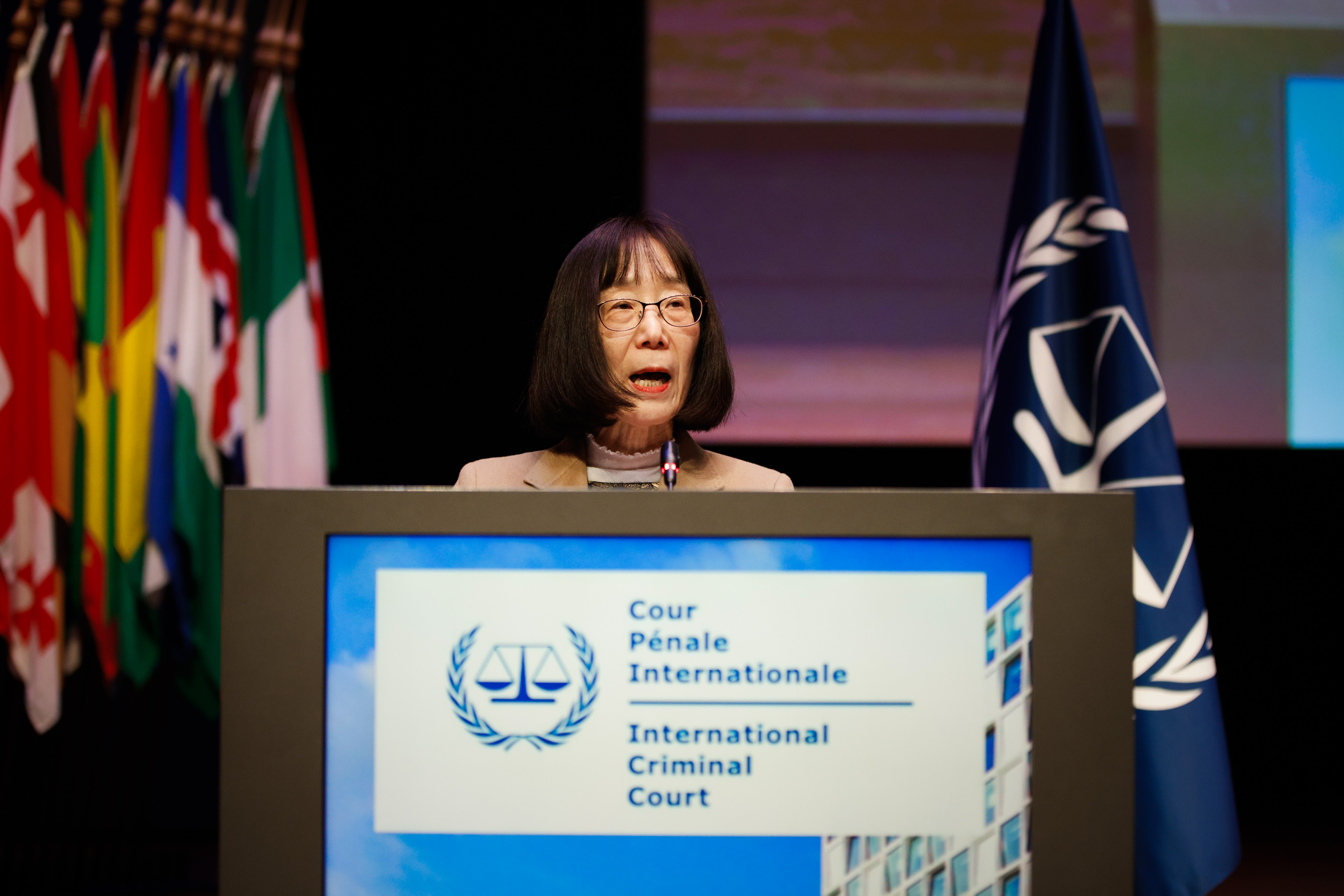
She highlighted a series of judicial and institutional gains achieved despite what she described as “unprecedented” political pressure on the Court. Akane said the ICC had operated at full capacity across investigations, trials, appeals and reparations, managing more simultaneous proceedings than ever before while maintaining judicial independence.
A major milestone, she noted, was the conviction of Ali Muhammad Ali Abd‑Al‑Rahman for 27 counts of war crimes and crimes against humanity in the Darfur situation—one of the Court’s most significant judgments to date, involving more than 1,600 participating victims. Akane also pointed to several procedural firsts, including the ICC’s first‑ever in absentia confirmation proceedings for Lord’s Resistance Army commander Joseph Kony and the first surrender from the Asia‑Pacific region, which she said demonstrated the Court’s expanding operational reach.
The ICC also issued a series of complex arrest warrants across multiple situations, which Akane framed as evidence of the Court’s determination to ensure accountability for grave crimes regardless of political pressure. She credited several States, both Parties and non‑Parties, with enabling arrests and surrenders, stressing that cooperation remains essential to the Court’s ability to function.
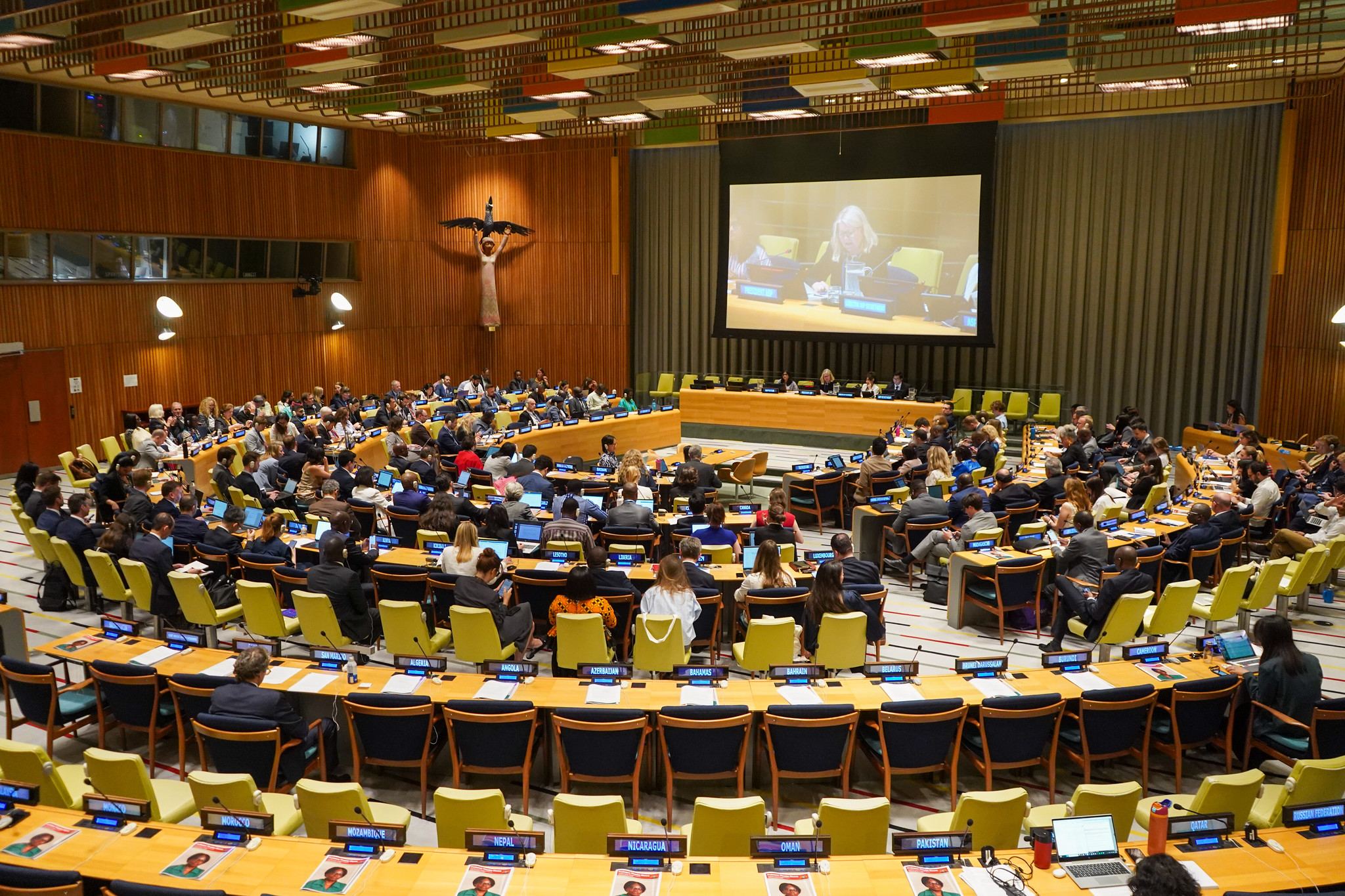
Beyond courtroom achievements, Akane highlighted internal reforms as a key success of the year. The ICC strengthened its ethics framework, enforced a zero‑tolerance policy for harassment and discrimination, and implemented accountability measures even at senior levels. These steps, she said, were vital to preserving the Court’s credibility and ensuring it remains a safe and principled workplace.
These despite the attacks the ICC and the staff are facing from the countries and entities that have been affected by their investigations.
“…nine elected officials including six Judges have been designated for sanctions by the United States, alongside with terrorists and drug traffickers. Their personal and family lives are being unsettled and their ability to conduct financial transactions disrupted, also in the territories of States Parties, including in Europe…. Nine elected officials, including one third of the Judges, as well as the totality of the ICC Presidency, are subject to arrest warrants issued by the Russian Federation. Just a few days ago, it was reported that the investigative committee completed its investigation, and placed these elected officials on the wanted list. As far as we know, these officials have been indicted and “arrested in absentia” and hearings are being held in their absence. This will have an obvious impact on their personal security,”
Akane concluded that the ICC’s progress demonstrates the Court’s resilience and its continued commitment to delivering justice for victims of the world’s gravest crimes.


