



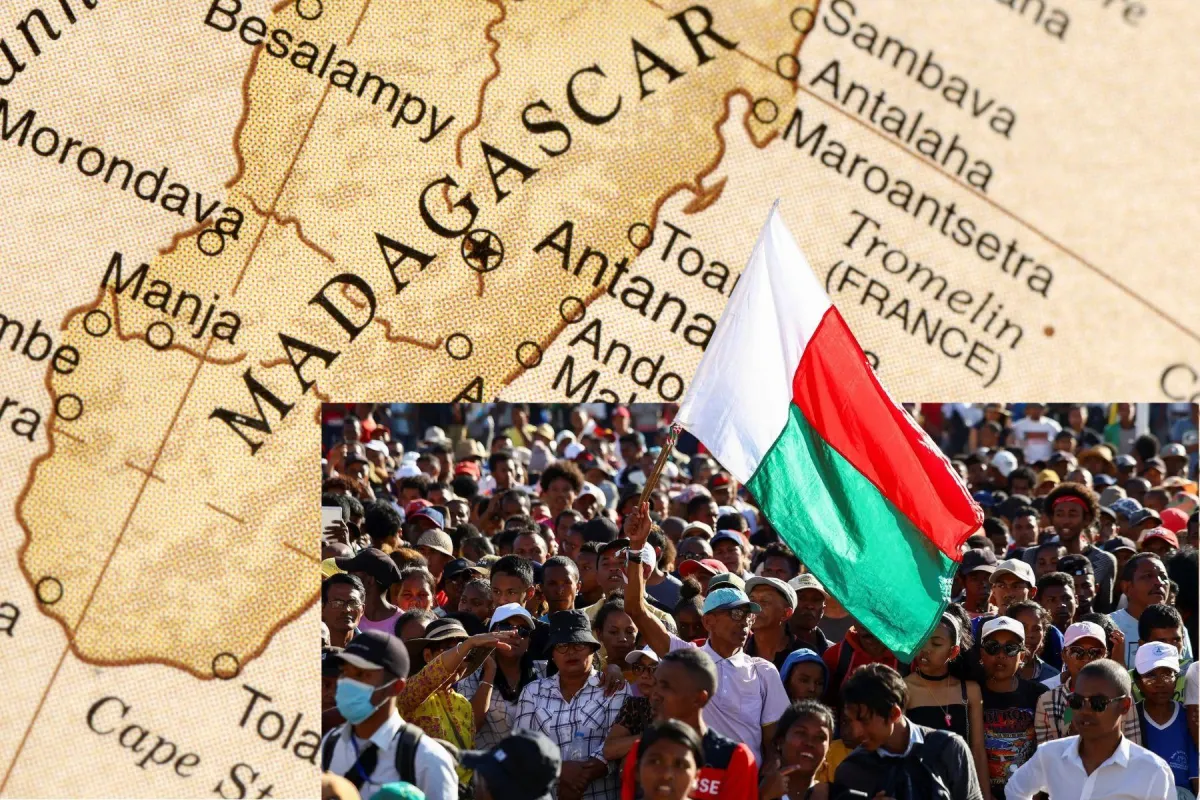
Madagascar's President Flees As Military Faction Seizes Control Of Army
ANTANANARIVO, Madagascar—The political stability of Madagascar has collapsed into a deep crisis this week after President Andry Rajoelina fled the country following an alleged assassination plot, leaving the government in disarray as an elite army unit declared control over the nation’s armed forces.
The dramatic escalation follows three weeks of nationwide, youth-led protests—dubbed the “Gen Z Madagascar” movement—initially sparked by chronic power and water shortages but which quickly broadened into widespread demands for the President’s resignation over corruption and the high cost of living.
The turning point occurred over the weekend when soldiers from the Army Personnel and Services Administration Corps (CAPSAT), a powerful unit implicated in the 2009 coup that first brought Rajoelina to power, broke ranks and joined demonstrators in the capital, Antananarivo. The CAPSAT command swiftly announced it was taking control of the military, appointing General Demosthene Pikulas as the new chief of staff, a move accepted by the Defense Minister. The military faction, however, has denied that its action constitutes a coup, stating they merely "answered the people's call."
President Rajoelina, 51, released a video address late Monday from an undisclosed "safe place," alleging a plot by military personnel and politicians to assassinate him. Despite reports that he had been evacuated from the island on a French military aircraft, the President insisted he was merely "on a mission to find solutions" and firmly rejected calls for his resignation, urging all parties to respect the current constitution. His scheduled address was repeatedly delayed amidst reports that soldiers were attempting to seize control of the state television headquarters.
The protests, which began on 25 September, exposed deep-seated frustration with the President, who was re-elected in 2023 in a vote boycotted by much of the opposition. The unrest has turned deadly, with the United Nations reporting that at least 22 people have been killed in clashes with security forces, though the government disputes this figure. The escalating violence led to the imposition of nightly curfews in Antananarivo and other major cities.
Internationally, the crisis has prompted immediate concern. The African Union (AU) Peace and Security Council convened an emergency session on Monday, reaffirming the organization’s zero-tolerance policy for unconstitutional changes of government. The AU and the Southern African Development Community (SADC) are expected to coordinate joint mediation efforts to push for an urgent, inclusive dialogue among all political actors and civilian groups to chart a path toward political and socio-economic reforms. Meanwhile, foreign embassies, including the U.S., have advised citizens to shelter in place due to the "highly volatile and unpredictable" security environment.
