



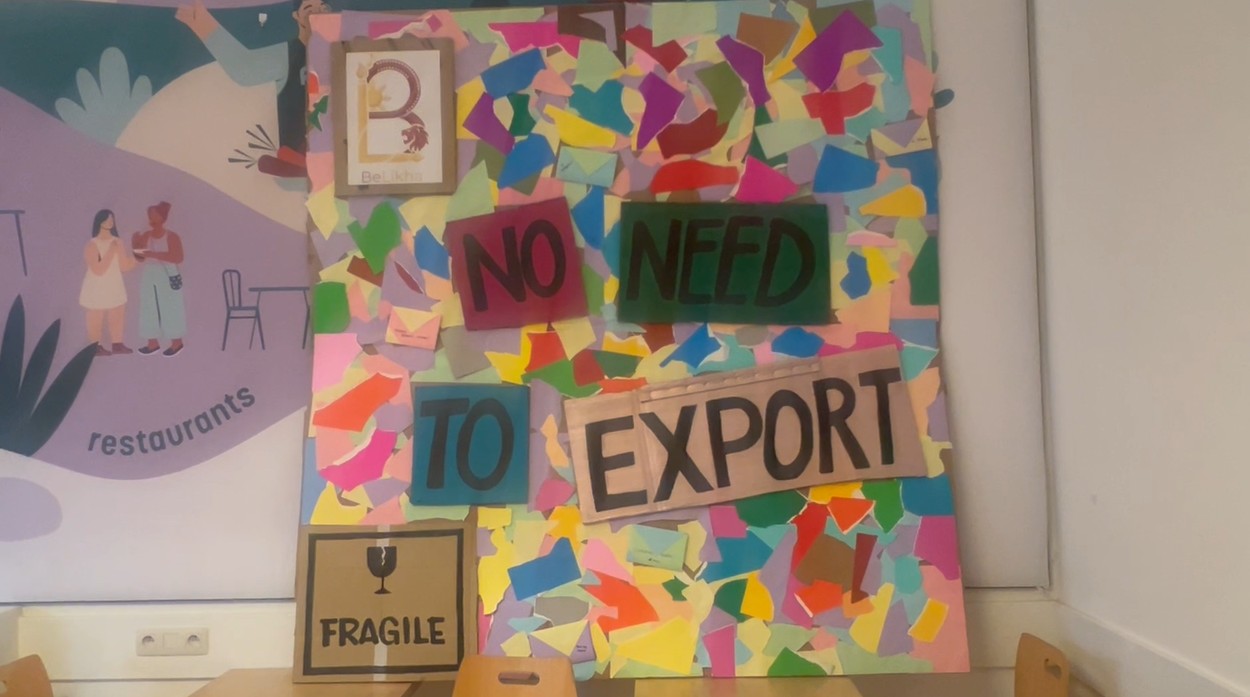
NO NEED TO EXPORT: Filipino Diaspora Artists Celebrate Identity, Culture and Belonging
BRUSSELS, Belgium — Through art, music and creative expression, Filipino artists in Belgium explore cultural identity, family traditions and the freedom to tell their own stories.
For Filipinos living abroad, preserving one's cultural identity while adapting to a different society can be both a challenge and a journey of self-discovery. Often, migrants find themselves explaining their traditions, beliefs and practices to people unfamiliar with their culture.
But what if Filipino culture did not need to be translated, explained or adapted to be appreciated?
This is the thought-provoking message behind “NO NEED TO EXPORT,” a Filipino diaspora exhibition featuring the works of artists from Belikha, a collective of Filipino creatives in Belgium.
Running from 18 October to 12 December, the exhibition offers a glimpse into the personal experiences, cultural traditions and identities of Filipino artists navigating life between two cultures.
According to exhibition curator Sam Domingo, the concept emerged from a collective idea among Belikha members, inspired by their shared experiences as migrants.
“As migrants, we always have this demand to translate our own culture and traditions to the country that we are living in,” Domingo explained.
The exhibition challenges this expectation, suggesting that Filipino identity and cultural expression do not always need to be interpreted through the perspective of another society.
Instead, they can simply exist and be celebrated on their own terms.
Family, Tradition and Cultural Identity
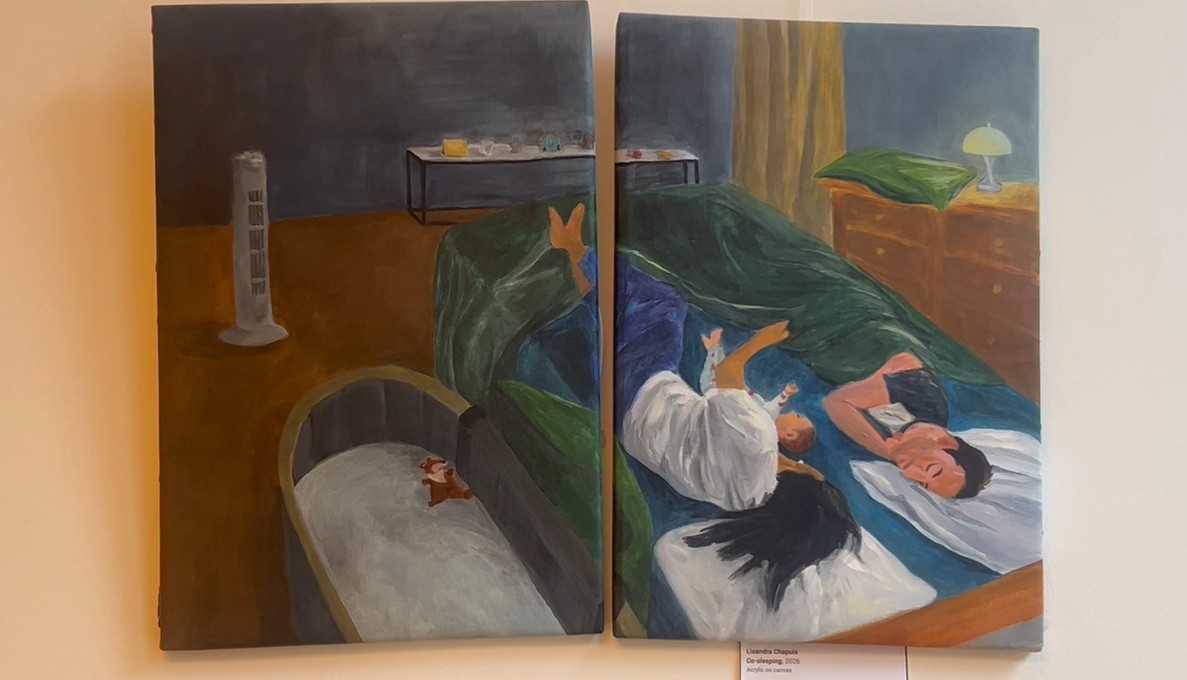
Among the featured artists is Lisandra Chapuis, whose painting Co-Sleeping explores a familiar practice in many Filipino households: parents sharing a bed or sleeping space with their children.
For Chapuis, the artwork reflects a deeply rooted aspect of Filipino family life that is not always viewed in the same way in Europe, where encouraging children to sleep independently is often emphasized.
Through her painting, Chapuis invites viewers to reflect on how something considered natural and comforting in one culture may be perceived differently in another.
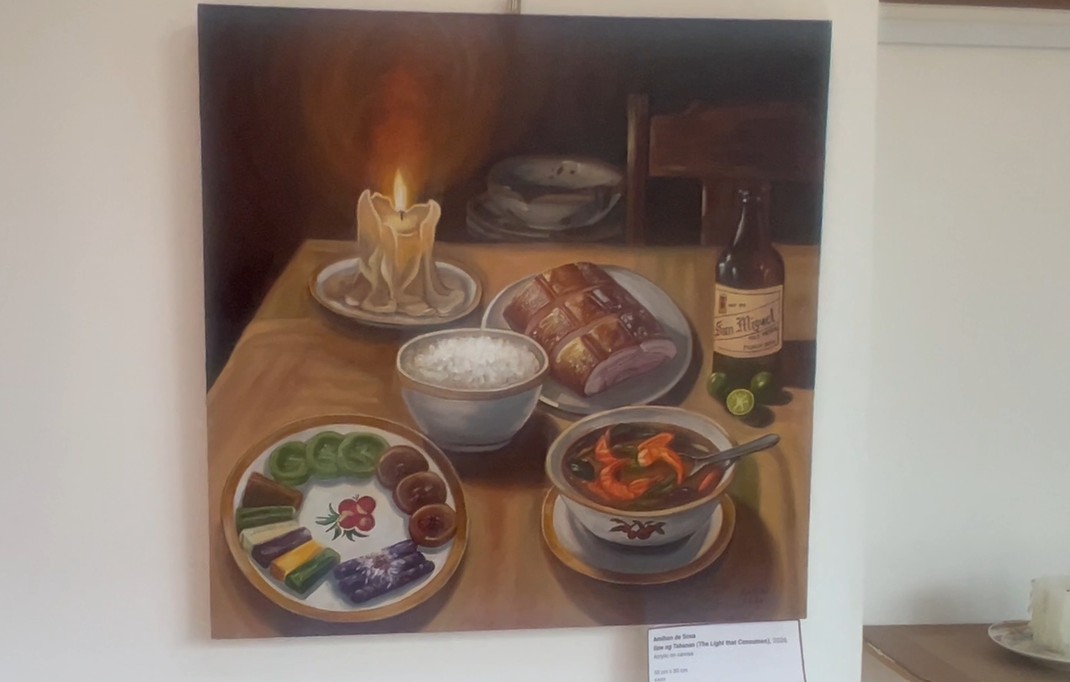
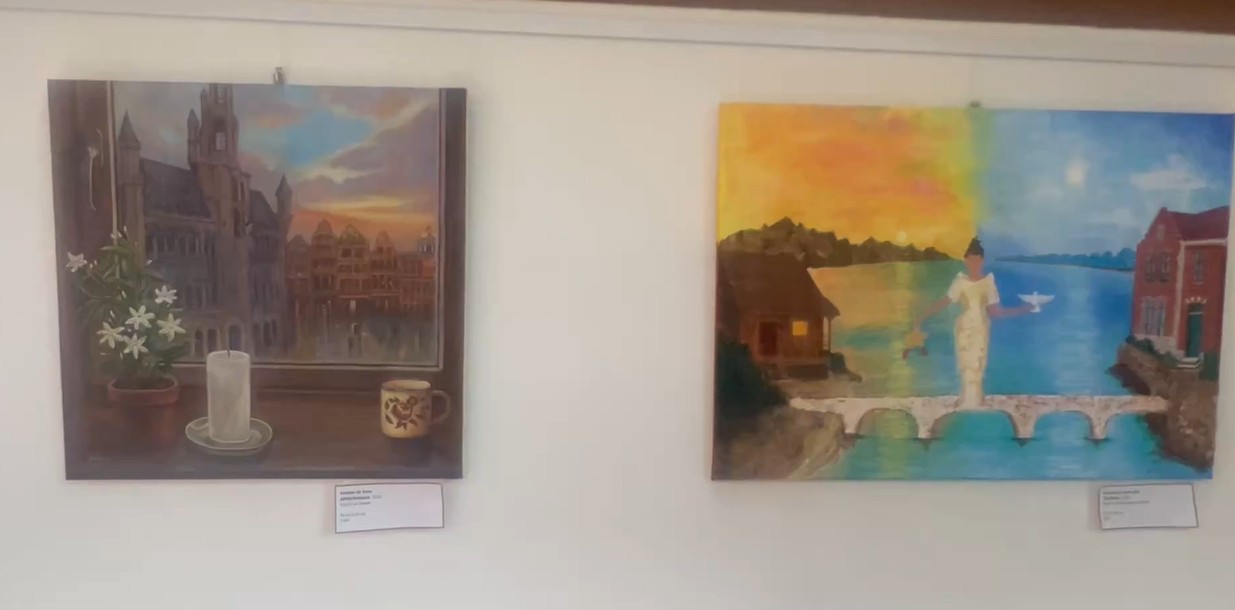
Another artist, Amihan, draws inspiration from her relationship with her mother and her own journey towards independence.
Her painting Ilaw ng Tahanan, a Filipino expression meaning “Light of the Home,” pays tribute to her mother and the sacrifices she made for her family.
In contrast, her other work, Aking Kalayaan (“My Freedom”), represents her personal journey as a daughter who has been given the opportunity to choose her own path, shape her destiny and make decisions about her future.
Together, the two paintings tell a story of gratitude and independence, highlighting how one generation's sacrifices can open doors to greater freedom for the next.
Filipino Hospitality and Unspoken Expressions
For Mylene Factora, a founding member of Belikha, Filipino hospitality takes centre stage in her mixed-media textile sculpture entitled Come On In.
The artwork celebrates the warmth, openness and sociability often associated with Filipino culture.
For Factora, welcoming people into one's home, sharing food and enjoying conversations are more than everyday activities. They are expressions of community and belonging that make Filipino social interactions distinct.
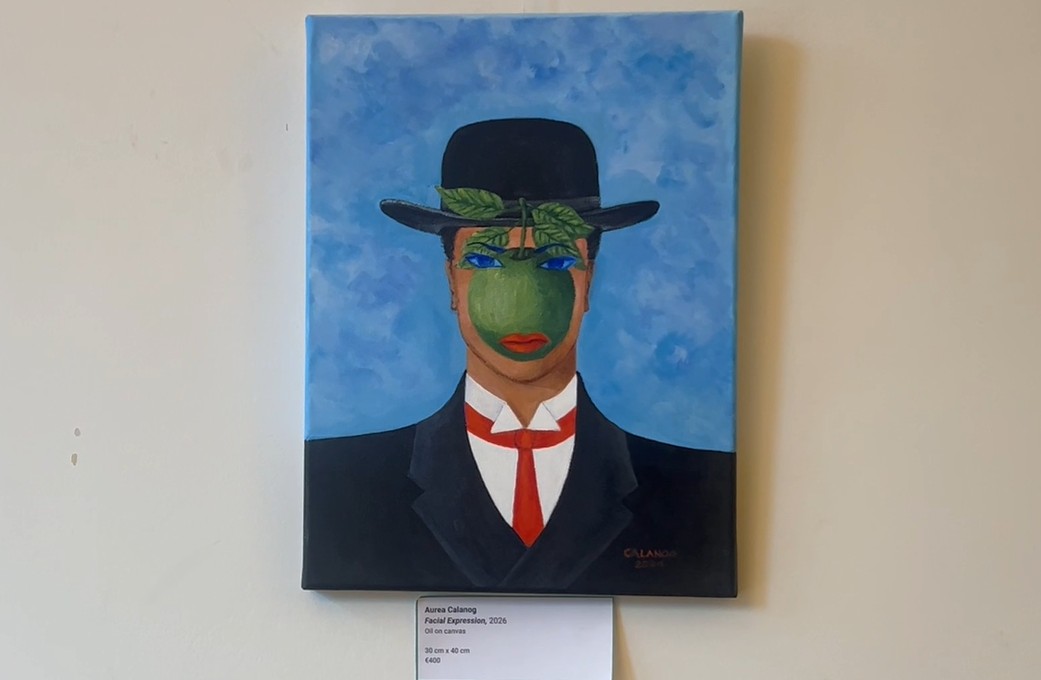
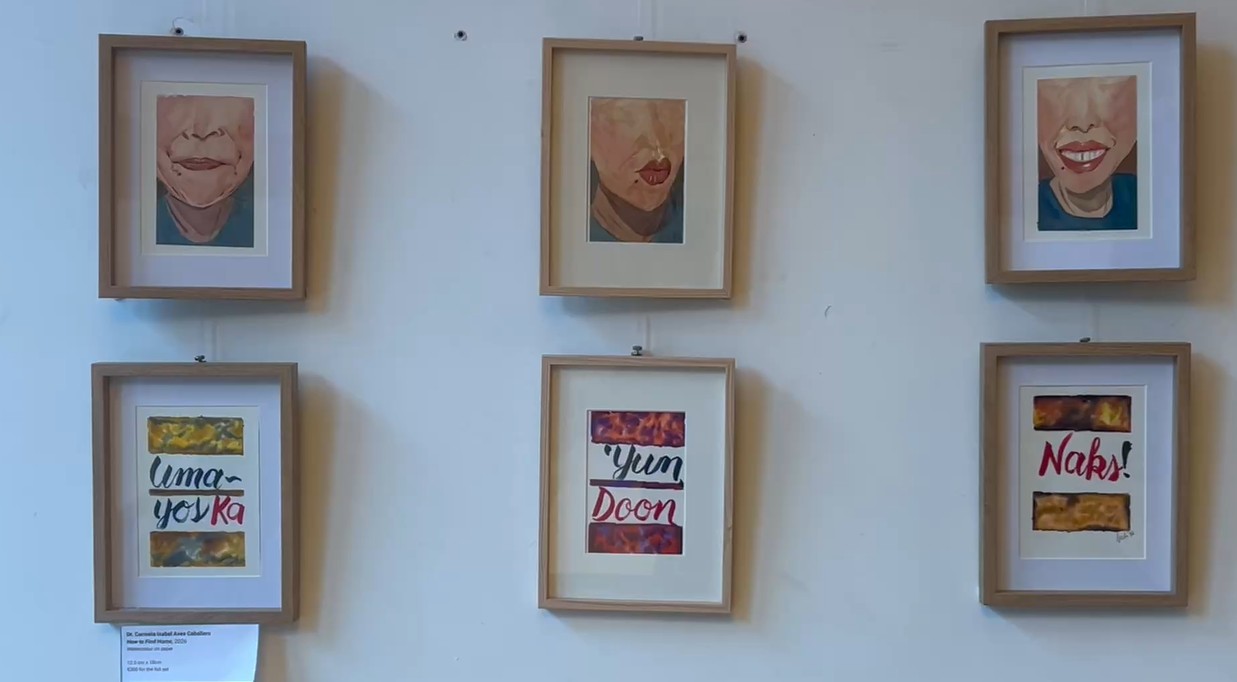
Meanwhile, Aurea Calanog explores the power of nonverbal communication through her artwork Facial Expression.
Her work suggests that words are not always necessary to convey emotions, thoughts or messages. Sometimes, a glance, the movement of the eyes or a simple facial expression can communicate what words cannot.
The artwork reminds viewers that human connection can transcend spoken language, an especially meaningful idea for migrants living in multilingual and multicultural environments.
Beyond the Visual Arts
While paintings and sculptures form an important part of the exhibition, Belikha also seeks to highlight the diversity of artistic talent within the Filipino community.
Denise Busni, who helped coordinate the exhibition's vernissage, explained that the event was also an opportunity to demonstrate that Belikha is more than a collective of visual artists.
Its creative community also includes singers, songwriters, dancers, poets and performers, reflecting the richness and diversity of Filipino artistic expression.
Other participating artists include Anna Beth Santilla, Dr. Carmela Isabel Aves Caballero, Joe Lampasa, Jonabel Huavas, Lise Abitona, Milay Calonge, Myra De La Cerna Diaz, Suzette Villanueva and Ronald Dalosa, whose participation further highlights the breadth of Filipino creative talent in Belgium.
Together, the participating artists demonstrate how different forms of artistic expression can become powerful ways of preserving cultural identity, sharing personal experiences and connecting communities.
A Celebration of Identity Without Borders
More than an art exhibition, NO NEED TO EXPORT offers a reflection on what it means to be Filipino while living away from the Philippines.
Each artwork tells a personal story, yet together they reveal experiences familiar to many members of the Filipino diaspora: the importance of family, the preservation of traditions, the warmth of hospitality, the challenges of cultural differences and the desire for personal freedom.
The exhibition also challenges the idea that migrants must constantly explain or reshape their cultural identities to fit into the societies they now call home.
Through their creative works, the participating artists show that Filipino culture is not something that needs to be packaged for export or translated for acceptance.
It is a living identity, carried wherever Filipinos go, expressed through their stories, relationships, traditions and art.
And perhaps that is the exhibition's most powerful message: Filipino culture does not need to be exported to be valued. It simply needs to be seen, heard and celebrated.


