



No Pax Silica signing during Trump’s Philippines visit, US envoy and Marcos confirm
MANILA — US President Donald Trump’s visit to the Philippines will not include the signing of the controversial Pax Silica Initiative, with both US Ambassador to the Philippines Lee Lipton and President Ferdinand Marcos Jr. confirming on Wednesday that no such agreement will be signed during the trip.
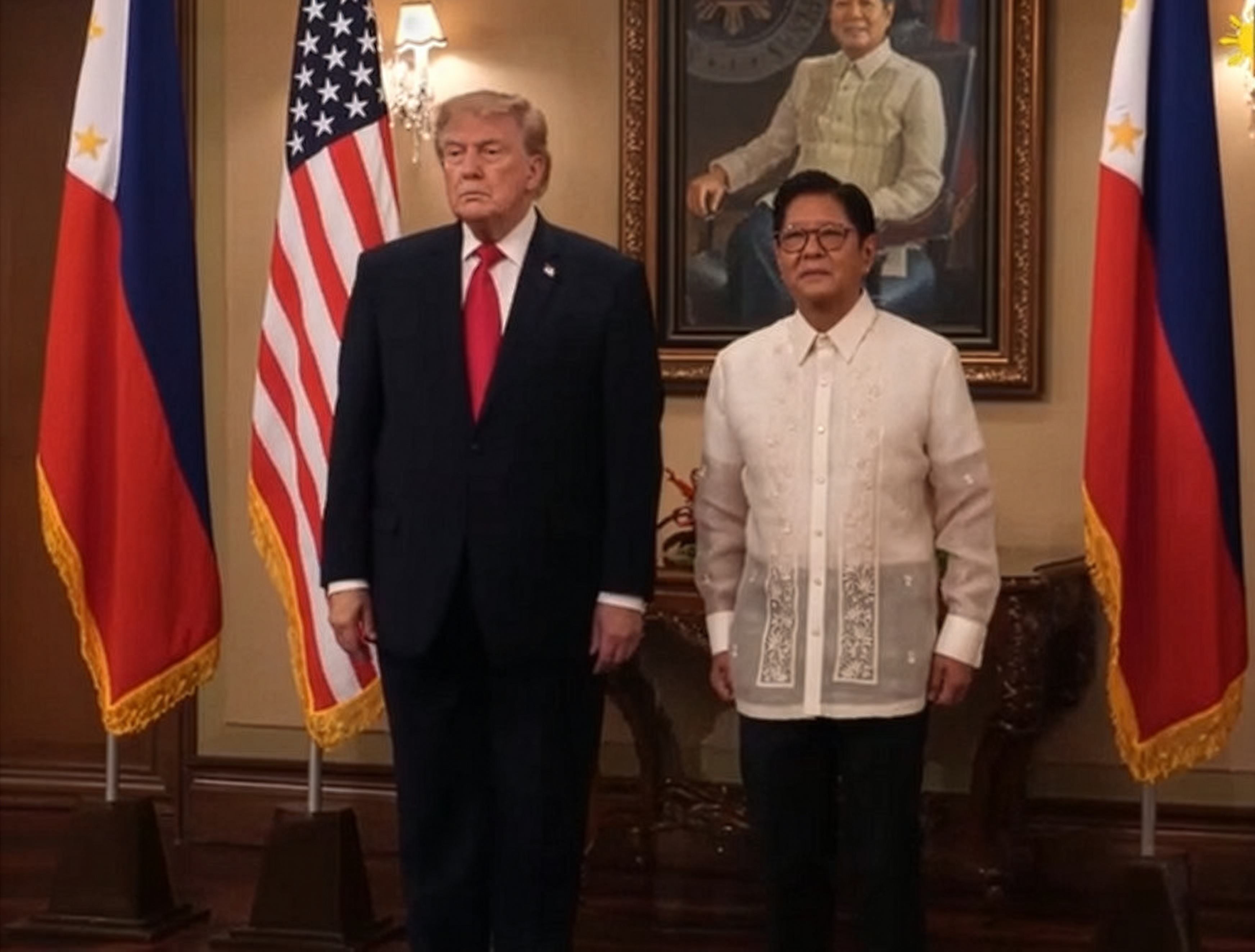
The clarification came during the leaders’ opening remarks at Malacañang ahead of their bilateral meeting on Philippine-US relations.
When a reporter asked Trump about the Pax Silica Initiative, the US president turned to his ambassador and said: “You wanna answer that, Lee?”
“There will be no signing. There is no signing,” Lipton replied.
Marcos separately confirmed that the initiative was not on the agenda for the visit.
“No, not on this trip. We are not covering that on this trip,” the President said.
The exchange effectively put to rest speculation that the visit would culminate in the formal signing of the initiative, which the Philippines joined in April 2026.
In his opening remarks, Trump underscored the longstanding alliance between Manila and Washington, saying relations between the two countries had reached a particularly strong point.
“Our alliance has never been better,” Trump said.
“America stands with the Filipino people just as we have for generations. We’ve been your ally but not as close as it is now,” he added.
Trump also signed the Malacañang guest book during his visit. His message read: “This is such a great honor – the U.S.A. loves you!”
The signing of the guest book was the only signing Trump carried out at the Palace during the visit.
While the two leaders held talks inside Malacañang, Trump's visit was met by protests outside the Palace from groups opposed to the US-led Pax Silica Initiative.
Much of the opposition has centred on a proposed high-tech manufacturing and semiconductor hub in New Clark City in Capas, Tarlac.
The Pax Silica Initiative was launched by the United States in December 2025 as an effort to strengthen supply chains for semiconductors, artificial intelligence infrastructure, critical minerals and other strategic technologies.
The initiative also seeks to reduce participating countries' dependence on China for critical technology and supply chains.
The Philippines joined Pax Silica in April 2026, with the proposed technology hub envisioned as part of efforts to expand the country's role in the global semiconductor and artificial intelligence industries.
Supporters of the initiative have pointed to the potential economic and technological benefits of developing the Philippines' semiconductor and advanced-technology industries.
But the proposed project has also generated opposition from farmers, Indigenous communities, environmental groups and other sectors concerned about its potential impact.
Critics have raised concerns about possible displacement, threats to ancestral lands and agricultural livelihoods, as well as increased pressure on local water and energy resources.
Some groups have also questioned the transparency surrounding the initiative and warned that closer integration with a US-led strategic technology programme could have implications for Philippine sovereignty.
For now, however, both governments have made clear that no Pax Silica signing is taking place during Trump's current visit.
The initiative itself remains part of the broader economic and strategic relationship between Manila and Washington, but any formal signing or further agreements concerning the programme will have to take place at a later date.


