



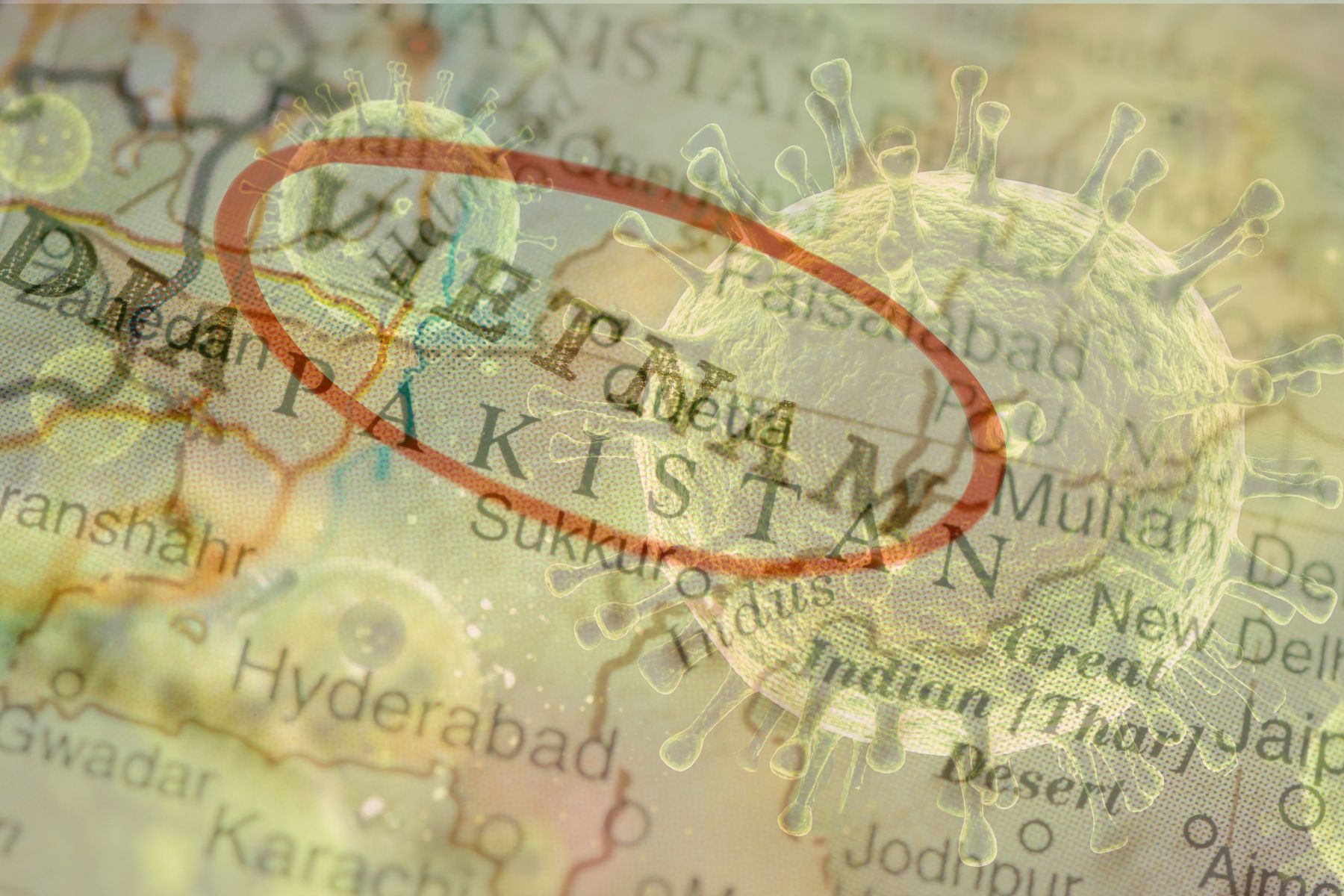
Pakistan And Vietnam Step Up Border Screening Amid Regional Nipah Virus Concerns
LAHORE/HANOI/HYDERABAD—Pakistan has become the latest Asian nation to order enhanced health screenings at its borders following the confirmation of two Nipah virus cases in India. The move, according to a Reuters report, joins a growing list of territories, including Thailand, Singapore, and Vietnam, that have tightened entry protocols to prevent the spread of the deadly virus.
Pakistan Tightens Borders Despite Limited Travel
The Pakistani Border Health Services department announced on Thursday that all travellers entering the country via land, sea, or air must now undergo thermal screening and clinical assessments.
Crucially, the agency is requiring travellers to provide a detailed transit history for the preceding 21-day period. This measure aims to identify individuals who have passed through "Nipah-affected or high-risk regions."
While the risk of direct transmission remains low—there are currently no direct flights between Pakistan and India, and cross-border travel has been severely restricted since the military escalations last May—officials described the measures as "imperative" for national safety.
Vietnam Targets High-Risk Arrivals
In Hanoi, health officials have focused their efforts on Noi Bai International Airport. On Wednesday, the city’s health department ordered the screening of all incoming passengers, with a specific focus on those arriving from India and the eastern state of West Bengal.
The protocols include:
Thermal Scanning: Mandatory body temperature checks for all passengers.
Rapid Isolation: Procedures to immediately isolate any individual showing signs of fever or neurological distress.
Epidemiological Investigation: A dedicated team to trace the travel history of symptomatic arrivals.
These actions follow similar steps taken by authorities in Ho Chi Minh City, who have already reinforced health controls at international border crossings.
Regional Response and Medical Context
The Nipah virus is known for causing severe fever and brain inflammation (encephalitis). It carries a high mortality rate and currently has no available vaccine. However, medical experts note that person-to-person transmission is generally difficult, typically requiring prolonged, close contact with an infected person.
Across the region, Hong Kong, Malaysia, and Indonesia have also bolstered airport surveillance.
India Maintains Calm Amid Containment Success
Despite the increased vigilance from its neighbours, Indian health officials maintain that there is no cause for alarm. The health ministry confirmed this week that the situation in West Bengal—where two health workers contracted the virus in late December—is under control.
Authorities successfully traced 196 contacts linked to the two confirmed cases. According to the ministry, every individual identified has tested negative for the virus and none have displayed symptoms.
An Indian official stated that the government has no plans to introduce airport screenings within the country, reiterating that there is "no sign of any outbreak" and that the initial cases have been successfully contained.
