



Parties argue over continued ICC detention of Duterte as his fitness for trial is yet to be resolved
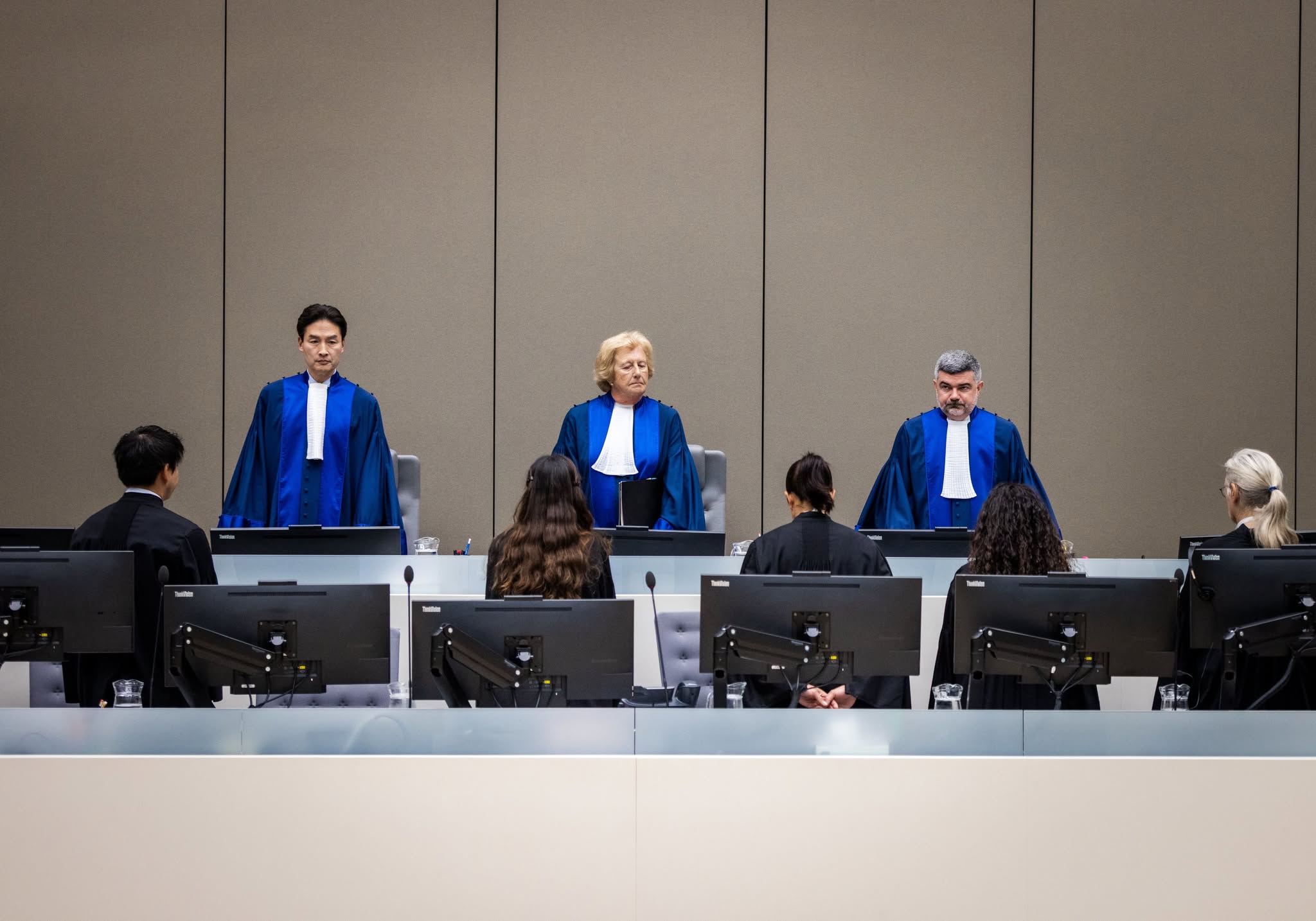
Photo: The ICC Trial Chamber III judges during a status conference On May 27, 2026. Courtesy: ICC-CPI
THE HAGUE, THE Netherlands — The prosecution and the counsels representing the victims of former Philippine president Rodrigo Duterte’s so-called war on drugs demanded for his continued detention, while his defence team said his fitness to stand trial should be resolved first.
These were the contents of three separate filings of parties submitted on Sept. 14 and 15 to the International Criminal Court (ICC) Trial Chamber III, which handles the crimes against humanity case of Duterte.
In their 5-page comment on the periodic review of detention of the accused Duterte, the prosecution said the continued detention of the former Philippine president remains necessary because the conditions that would require him to remain in detention have not changed.
They argued that there is even an increased risk for the 81-year-old accused to abscond. Firstly, because of the definitive date for a full trial, and secondly, they added additional eight incidents to the charges and therefore “the prospect of lengthy sentence has increased.”
The Trial Chamber III led by Judge Joanna Korner set November 30 as the start of the full trial.
In a filing signed by Acting Prosecutor Mame Mandiaye Niang, he said the witnesses and the nature of their testimonies have been provided to Duterte on August 31, 2026, which increases the risks to witnesses.
“The question of the risks to witnesses ‘revolves around the possibility, not the inevitability, of a ‘future occurrence’. Mr Duterte’s history shows that he is able and has the means, either directly or through his associates, to interfere with [REDACTED],” the filing read.
With these submissions, the prosecution argued that “Mr Duterte’s continued detention is necessary to ensure he does not interfere with witnesses.”
Pending ruling on fitness to stand trial
In a separate detention filing, the defence did not seek immediate release. Instead, it argued that the detention question cannot be fully assessed until the court resolves the pending fitness to stand trial issue.
The defence, led by British barrister Peter Haynes, emphasized that if Duterte were found unfit to stand trial and proceedings were adjourned, this could constitute a material change in circumstances affecting detention. For that reason, the defence intended to revisit detention after the court rules on fitness.
In a separate filing, the defence noted that it had requested a medical examination in May 2026 to assess whether Duterte remains capable of participating meaningfully in trial proceedings. Expert reports have since been completed and submissions concerning those findings have been filed, but the Court has not yet issued its ruling.
The defence argued that the Expert Panel’s findings were inconclusive and disputable. On Sept 15, the defence also sought further testing from a neurologist and to allow the parties to question the appointed experts, “either orally or in writing, on the findings and conclusions set out in their reports” before the court makes a final determination.
Meanwhile, the Common Legal Representatives of Victims (CLRV) opposed any modification of Duterte's detention, arguing that the legal grounds for his continued custody remain unchanged. According to their submission, the factors previously relied upon by the ICC, including the risk of flight, the gravity of the charges, and Duterte's continuing access to networks of supporters and influence, remain fully applicable.
The victims' representatives further contended that many victims and witnesses continue to fear retaliation, intimidation, or interference should Duterte be released, and therefore maintain that detention remains necessary to safeguard the integrity of the proceedings and ensure his appearance at trial.
They also emphasized that many victims view the ICC case as their only realistic avenue for justice and believe that Duterte should remain in the Court's custody until the proceedings are concluded.


