



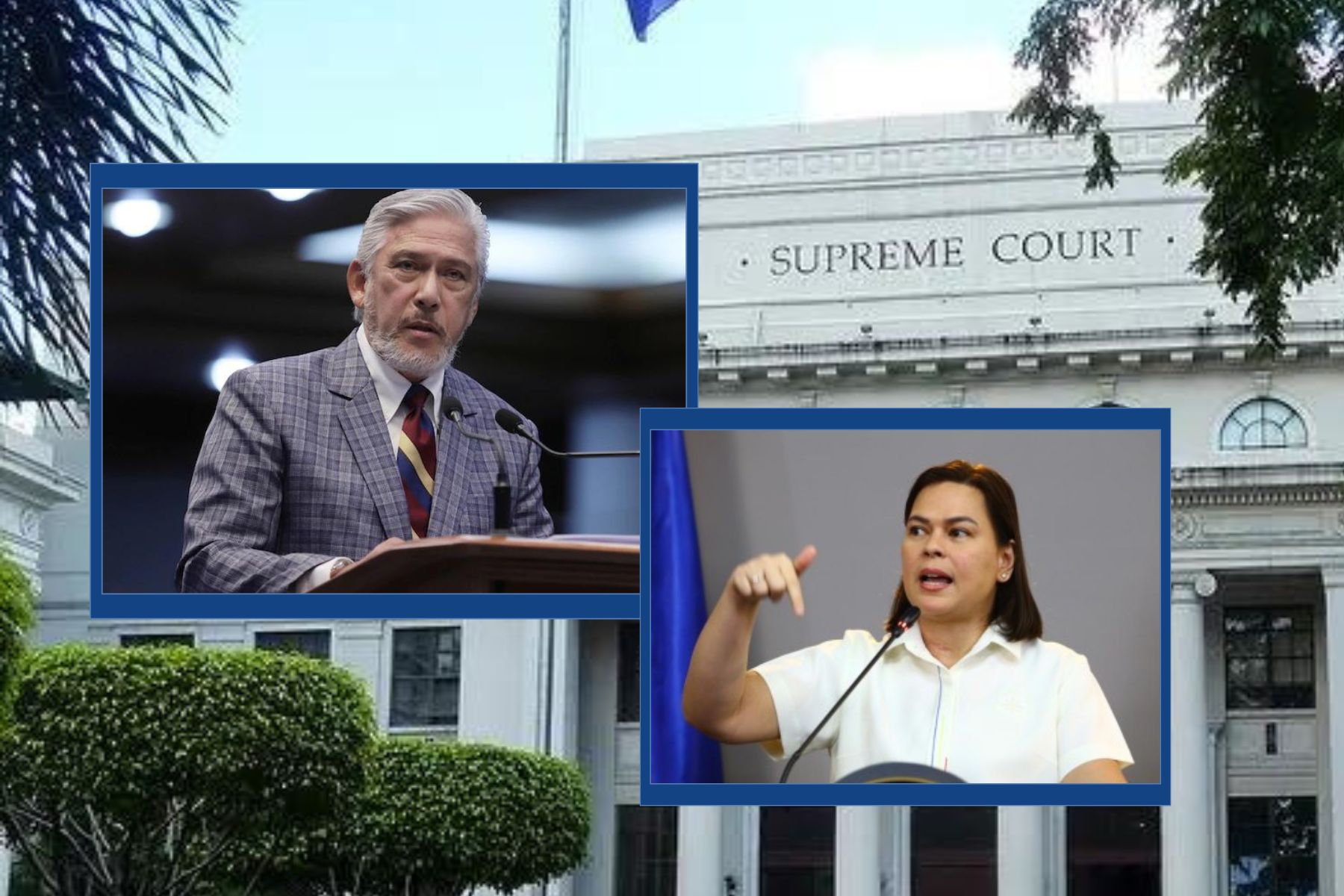
Sotto Sees Judicial 'Overreach' In SC Ruling On VP Sara Impeachment
MANILA, Philippines–Senate President Vicente “Tito” Sotto III on Thursday criticized the Supreme Court’s ruling declaring the impeachment proceedings against Vice President Sara Duterte unconstitutional, warning that the decision encroaches on Congress’ exclusive powers under the Constitution.
The Supreme Court earlier upheld with finality its decision declaring the articles of impeachment against Duterte as unconstitutional, and that the Senate did not acquire jurisdiction over the impeachment proceedings.
The ruling came after the High Court unanimously denied the motion for reconsideration filed by the House of Representatives.
Supreme Court spokesperson Camille Ting said the justices found no merit in the House’s motion, effectively affirming the earlier decision that invalidated the impeachment process.
Reacting to the ruling in a message to reporters, Sotto said the decision amounted to judicial overreach and altered clear constitutional provisions on impeachment.
“It is a sad day for Constitutional Law students and professors. The Constitution had just been amended unconstitutionally through Supreme Court overreach. When the law is clear, there is nothing to interpret, as any first year law student knows,” Sotto said.
Sotto said the High Court crossed into legislative territory by laying down rules for Congress to follow in impeachment proceedings.
“The decision is a clear judicial legislation. The SC, as written in their decision, admitted of introducing a rule for Congress to follow in the conduct of impeachment,” he said.
Sotto also warned that the ruling could significantly limit Congress’ impeachment authority under Article XI of the Constitution, which grants the House of Representatives the exclusive power to initiate impeachment cases.
“Impeachment is now an impossible dream!” he said.
The Senate leader added that correcting what he described as a misinterpretation of the Constitution could take decades, as future court rulings would be needed to revisit the doctrine set by the decision. (Wilnard Bacelonia-PNA)
