




TECH TIWALA | When Clicking “Agree” Stops Meaning Yes: Understanding Digital Consent in Everyday Life
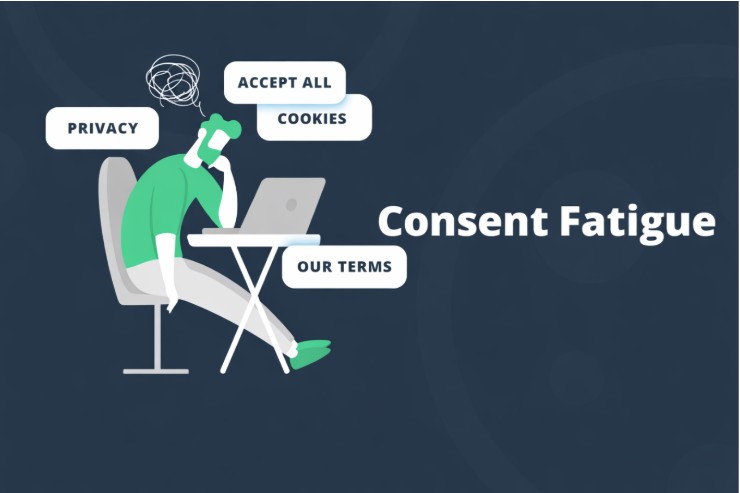
“Accept all cookies.”
“Allow access.”
“Agree to continue.”
We click these buttons every day—sometimes several times an hour.
Most of the time, we don’t read.
Not because we don’t care—but because we’re tired.
Pagod na magbasa. Pagod na mag-isip.
We just want to move on.
This is what many now call consent fatigue, and it affects almost everyone living in the digital world.
A Very Ordinary Filipino Scenario
Imagine this.
You open a news website to read one article.
Before you can scroll, a pop-up appears asking you to accept cookies.
You look for “Decline,” but it’s hidden.
The “Accept all” button is big, bright, and easy to click.
You sigh and tap “Accept.”
Isang click lang naman, you think.
You just wanted to read the news.
When Consent Becomes Habit, Not Choice
Consent is supposed to mean:
You understand what you’re agreeing to
You have a real choice
You can say no without being penalized
Online, that’s not always how it works.
Many consent notices are:
Long and hard to understand
Designed to be skipped, not read
Built to encourage “yes” and discourage “no”
Over time, clicking “Agree” becomes automatic.
Hindi dahil pumapayag ka, but because you want the screen to disappear.
When Design Pushes You to Say Yes
This is called manipulative design—when interfaces are built to influence behavior rather than support informed choice.
Sa madalingsalita, the screen is designed to gently push you toward “yes,” even when you haven’t fully understood the consequences.
This is where cookies come in.
Cookies are small bits of data stored by websites.They help sites remember you, track activity, and personalize content or ads.
If you reject all cookies, the site usually still works—
you may just need to log in again, and content may be less personalized.
Hindi ibig sabihin masisira ang website.
It simply means the site knows less about you.
Why This Matters More Than We Think
At first, clicking “Agree” feels harmless.
But each click can allow:
Tracking across websites
Sharing data with third parties
Long-term profiling of habits
One click seems small.
Repeated daily, those clicks quietly build a detailed picture of you.
Paunti-unti, a digital profile forms—often without full awareness.
Consent Without Understanding Isn’t Real Consent
True consent requires clarity.
If people don’t understand:
What data is collected
Who it’s shared with
How long it’s kept
Then consent becomes a formality, not a choice.
And when saying “no” leads to inconvenience or exclusion, the imbalance is clear.
Reclaiming Choice in the Digital World
We may not control how platforms are designed—but we can slow down.
Small habits help:
Pause before clicking “Accept all”
Look for “Manage settings” when available
Remember that convenience often comes with trade-offs
Consent should not be something we give away automatically.
💡TechTiwalaTakeaway
Consent matters only when it is informed, fair, and freely given.
In the digital world, trust grows when people are respected—not rushed or quietly pushed into agreement.
Hindi lahat ng “Yes” ay tunaynaoo.
Because cybersecurity and digital safety are not just about systems and settings.
They are about choice, dignity, and the right to understand before agreeing.
(For comments and suggestions, e-mail TFCN at [email protected].)

Meet Irene Corpuz — cybersecurity expert, digital guardian, and certified tech translator. She’s the bridge between geeks and the rest of us — helping every Filipino make sense of the digital world. Forget the tech jargon and endless acronyms — si Irene ang gabay mo sa online world, sa plain, human language. Kung dati ang “phishing” ay tungkol sa isda, ngayon malalaman mong scam pala ‘yung nag-aalok ng libreng iPhone. Through Tech Tiwala: Click with Care, Irene turns complex cybersecurity ideas into everyday wisdom — because every click is an act of tiwala. And that’s the kind of security that can’t be bought — it’s built, protected, and shared with every Filipino.
