


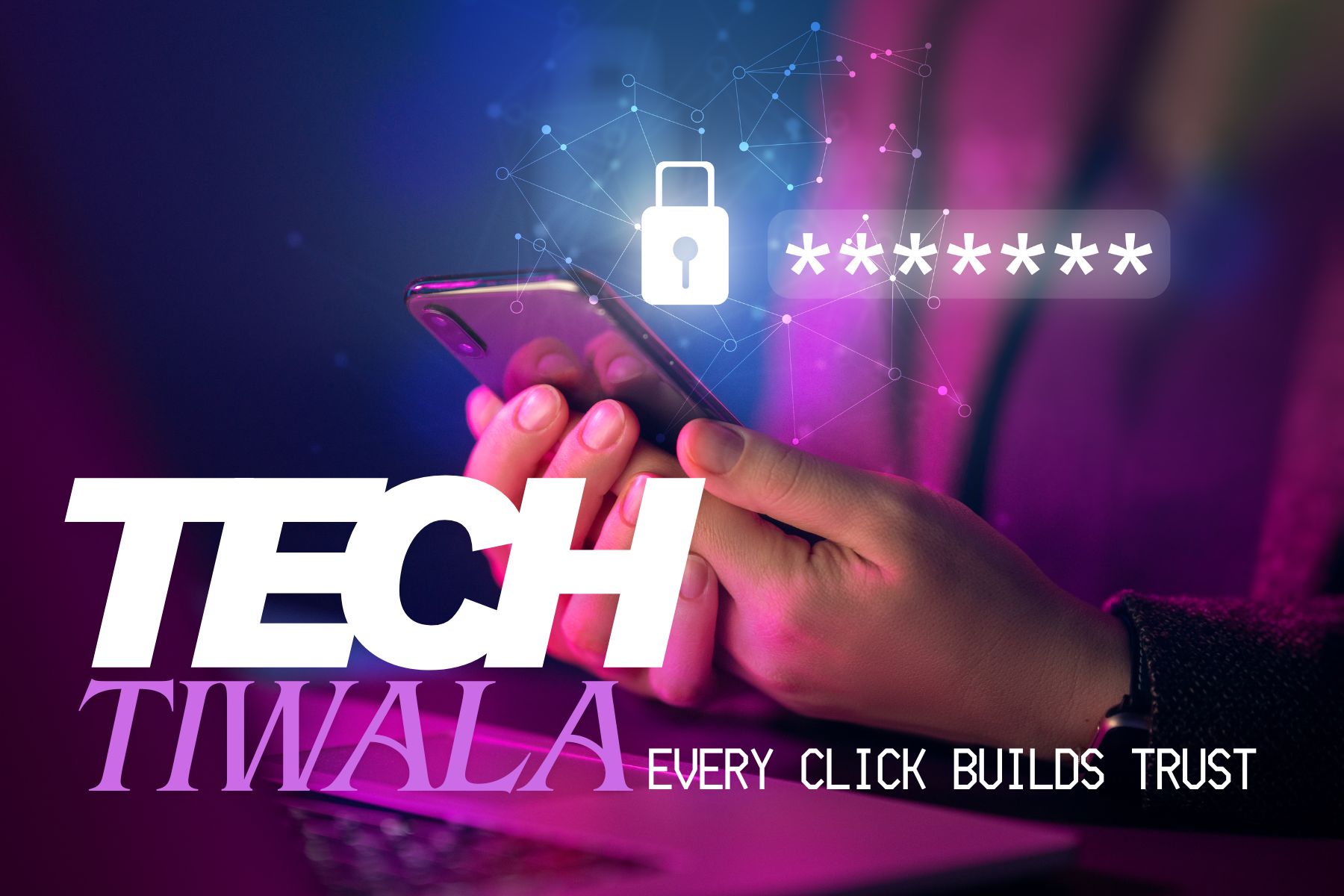
TECH TIWALA | YOU OWN YOUR DATA...BUT DO YOU REALLY CONTROL IT?
What Privacy Means in Real Life
We hear this phrase all the time:
“Your data belongs to you.”
It sounds reassuring. Empowering, even.
But if we’re being honest, it doesn’t always feel true.
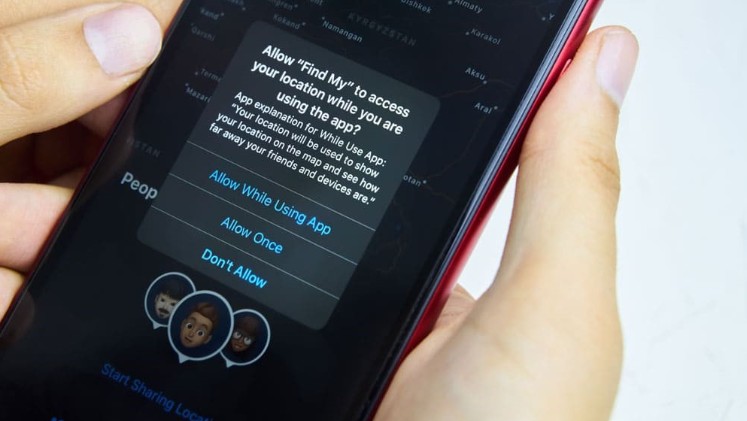
You install an app and tap “Agree.”
You allow access to photos, contacts, and location.
Later, you uninstall it—yet ads related to it still follow you.
Doon kamapapaisip:
If the data is really mine, why does it feel so hard to control?
A Very Ordinary Filipino Scenario
Imagine this.
You download a delivery app to order dinner—isang beses lang naman.
You allow location access so the rider can find you. That makes sense.
A few days later, you start noticing:
Ads for nearby restaurants
Promos from shops you’ve never searched
Notifications from other apps offering “similar services”
You didn’t actively sign up for all that.
But somewhere along the way, your datatraveled.
Hindi mo nakita. Hindi mo naramdaman.
But it happened.
Ownership Is Not the Same as Control
In the physical world, ownership is simple.
Kung may bag ka, ikaw ang may hawak.
Kung may bahay ka, ikaw ang nagpapapasok.
With data, it works differently.
Your personal information—your name, habits, location, preferences—can be:
Copied instantly
Shared silently
Stored for a very long time
Even when laws say the data is “yours,” companies often decide:
How long it’s kept
Who it’s shared with
How it’s analyzed and used
May-ari kanga,but real control is another matter.
The Illusion of Consent
Most digital services ask for consent.
We see prompts like:
“Accept all cookies”
“Allow access”
“Agree to continue”
We click—not because we fully agree, but because we want to move on.
This is known as consent fatigue.
When consent is constant, rushed, and buried in long legal text, it stops being meaningful.
Sometimes, saying “no” means:
You can’t use the app
Important features don’t work
Access is limited
Kung wala kang tunay na choice, consent pa ba talaga iyon?
Why Deleting an App Isn’t Enough
Many people believe deleting an app deletes their data.
In reality, deletingan app usually just:
Removes it from your phone
Stops notifications
Your data may still exist elsewhere—on servers, backups, or analytics systems.
That’s why:
Old interests resurface
Past searches influence new ads
Data from years ago still shapes what you see today
Burado sa phone,pero hindi burado sa sistema.
When “Anonymous” Data Still Knows It’s You
We’re often told that data is anonymized.
Names removed. IDs hidden.
But modern systems can still:
Recognizebehaviorpatterns
Link activity across platforms
Infer identity from small details
A location here.
A habit there.
A routine repeated daily.
Hindi ka pinangalanan, but the system still knows it’s you.
Why This Matters to Ordinary Citizens
This is not just about targeted ads.
Data use can affect:
Credit offers
Insurance pricing
Job recommendations
What news or information reaches you
Small pieces of data, when combined, influence real-life opportunities.
And most of the time, it happens quietly.
Walang abiso.
Walang pali-paliwanag.
Walang mapagtanungan.
Building TechTiwala Around Data
We don’t need to avoid digital life—but awareness matters.
Simple habits help restore balance:
Be selective with app permissions
Review privacy settings from time to time
Be cautious with “free” services (may kapalit lagi ang libre)
Pause before clicking “Agree” automatically
Privacy today isn’t about hiding.
It’s about having real choices.
💡TechTiwalaTakeaway
You may legally own your data—but ownership without control is fragile.
True privacy means:
Clear information
Fair choices
The ability to say no without being excluded
Sa digital world, trust grows when people feel respected—not just tracked.
Because cybersecurity is not only about protecting systems.
It’s about protecting people—and the dignity of their data.
(For comments and suggestions, e-mail TFCN at [email protected].)

Meet Irene Corpuz — cybersecurity expert, digital guardian, and certified tech translator. She’s the bridge between geeks and the rest of us — helping every Filipino make sense of the digital world. Forget the tech jargon and endless acronyms — si Irene ang gabay mo sa online world, sa plain, human language. Kung dati ang “phishing” ay tungkol sa isda, ngayon malalaman mong scam pala ‘yung nag-aalok ng libreng iPhone. Through Tech Tiwala: Click with Care, Irene turns complex cybersecurity ideas into everyday wisdom — because every click is an act of tiwala. And that’s the kind of security that can’t be bought — it’s built, protected, and shared with every Filipino.
