



The Basilica: “First Love, Then Technique”
With RJ Placino
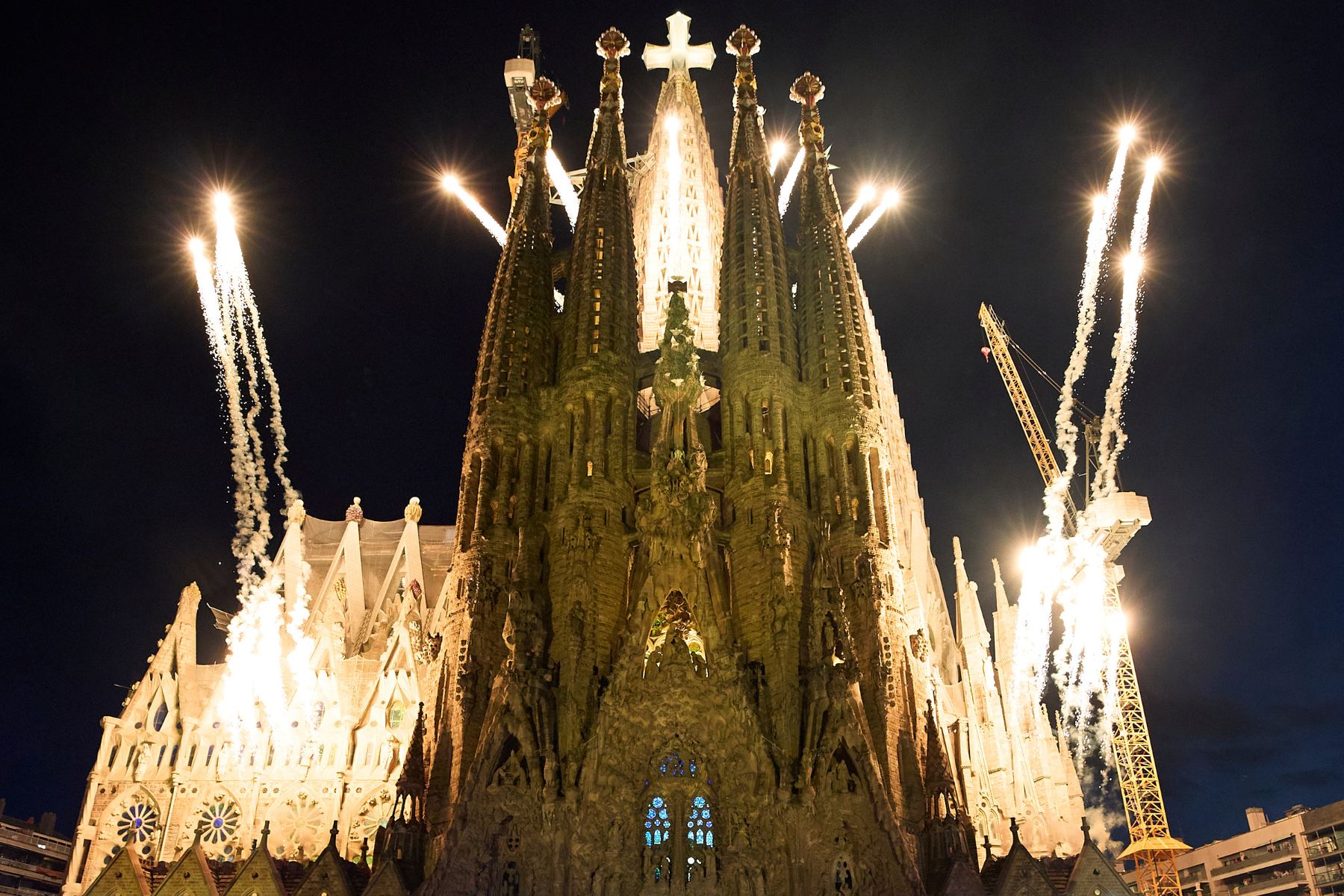
BARCELONA, Spain — To the eyes of non-believers, the blessing of the Tower of Jesus Christ may simply mark the completion of an architectural wonder.
But to the faithful, it was the fulfillment of a dream: that a cross would reign in the sky of Barcelona, lifting the gaze toward the message of love through Jesus Christ, a love that reaches even those who do not believe, and even those who question God.
What was commemorated at the Sagrada Familia?
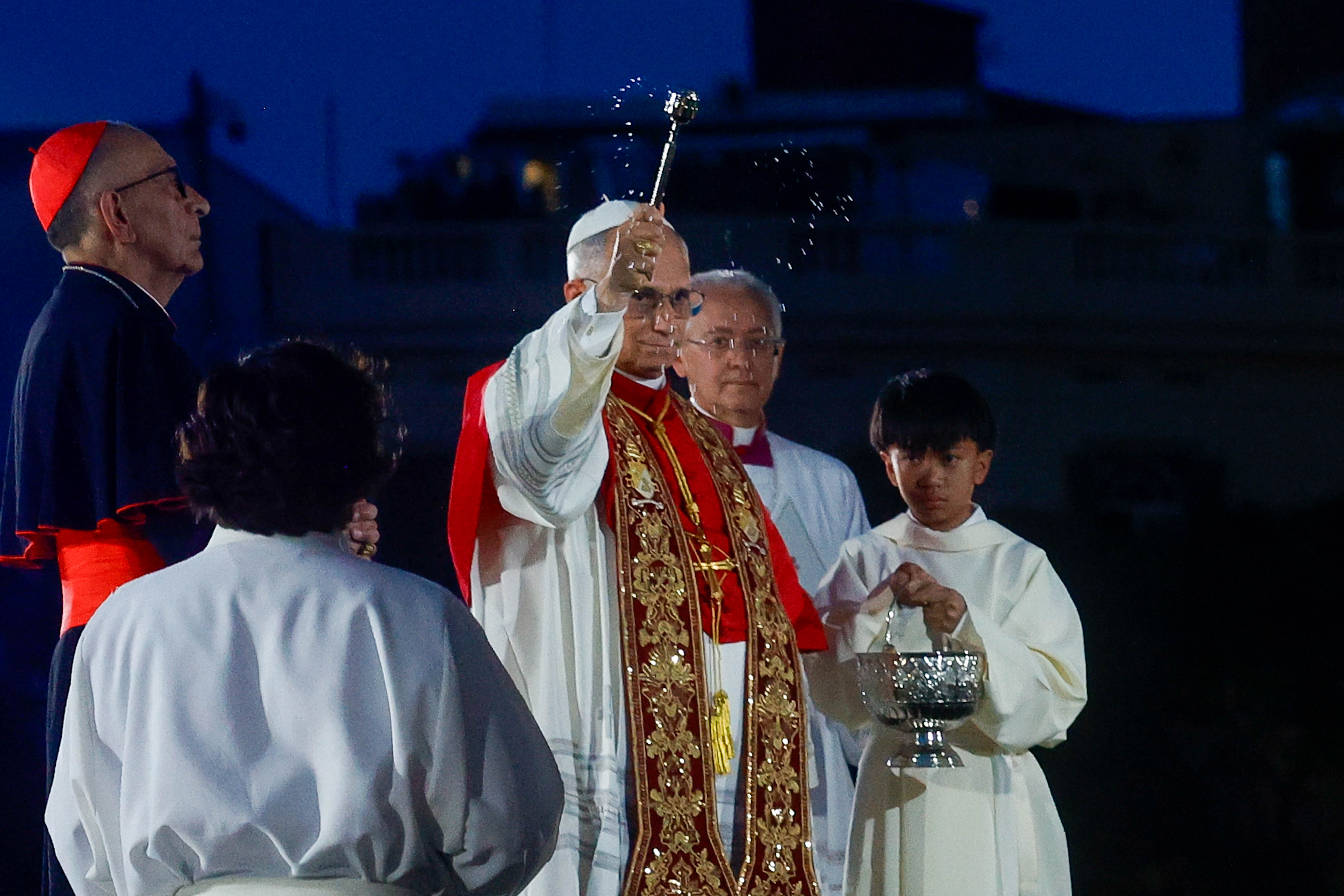
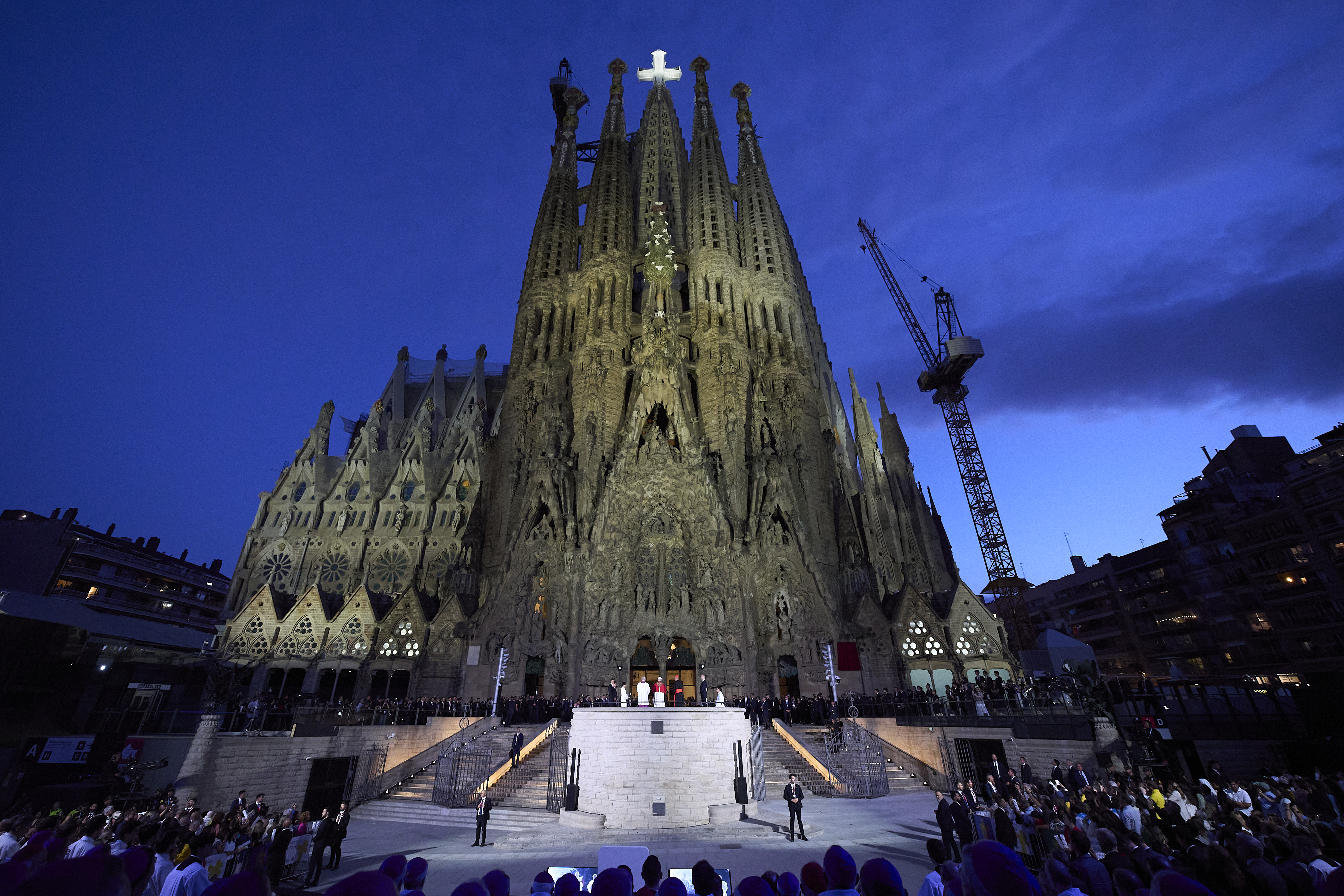
On June 10, 144 years of shared history reached a historic milestone with the blessing of the Tower of Jesus Christ by Pope Leo XIV.
This was not only a celebration of architecture. It was a celebration of faith, perseverance, and a dream carried from one generation to the next.
The Sagrada Familia is a one-of-a-kind temple, often described as a work built by the people and for the people. Its construction has been sustained through public support, devotion, and the work of countless hands across more than a century.
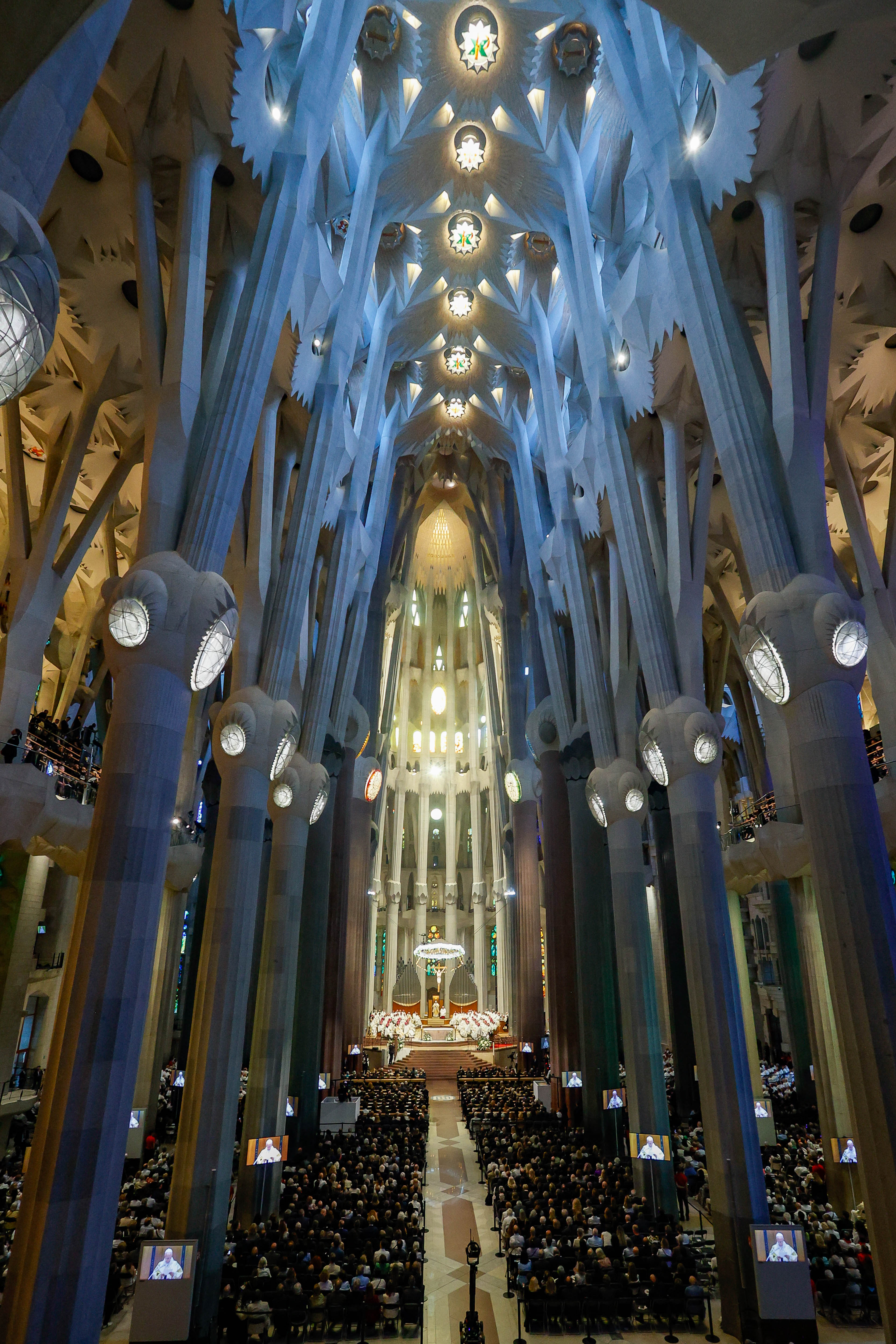
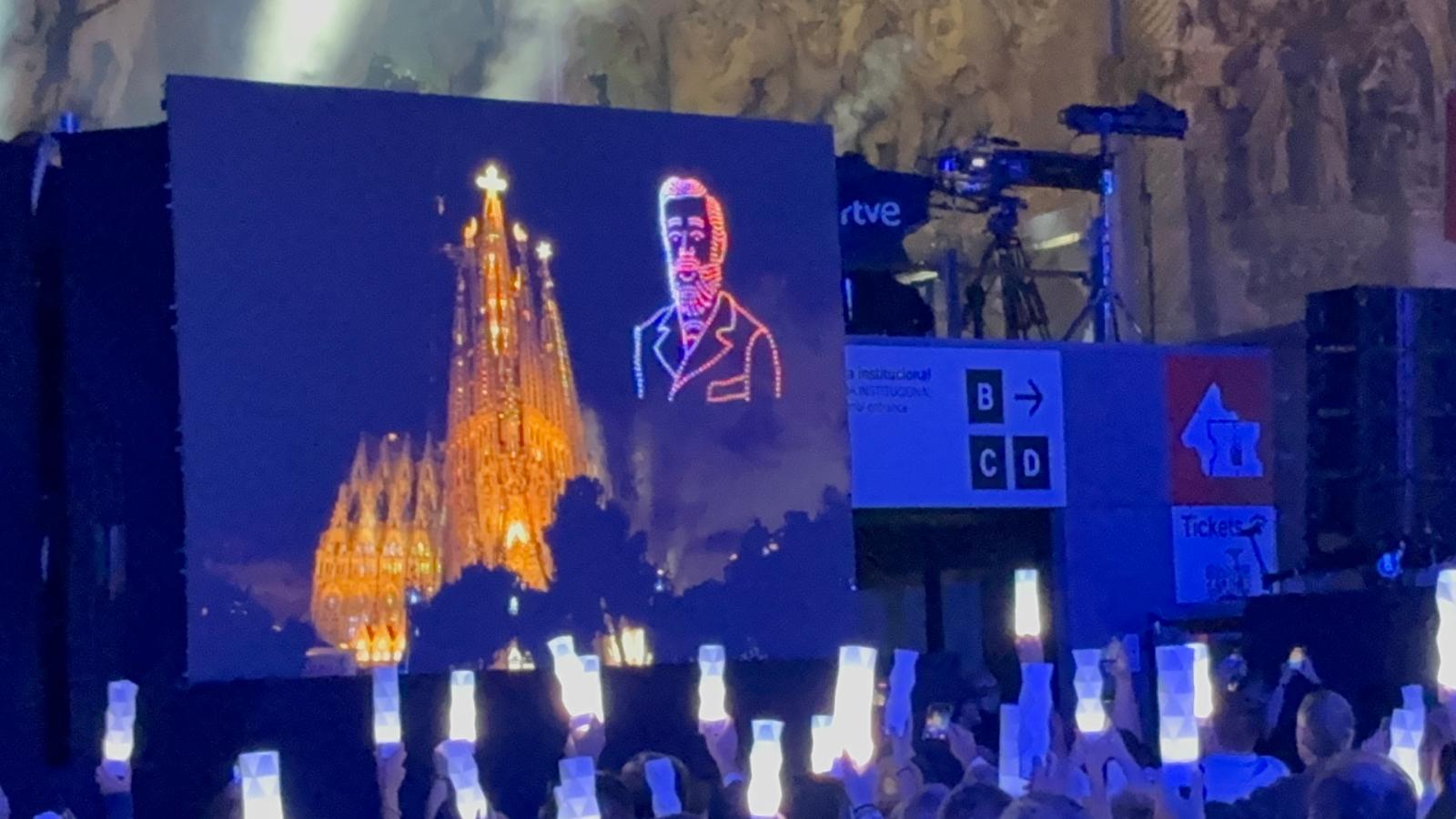
Gaudí dedicated the final decades of his life to the basilica. Although he would not see it completed, he left behind a vision that continued to grow after his death, carried forward by generations of faith, work and commitment.
In 2010, Pope Benedict XVI consecrated the Sagrada Familia for worship and declared it a minor basilica. Since then, major progress has been made on the six central towers: the Tower of the Virgin Mary, the four towers of the Evangelists, and now the Tower of Jesus Christ.
With this tower, the Sagrada Familia reaches its maximum height and is set to become the tallest church in the world.
At its summit stands a four-armed cross, pointing Barcelona’s gaze upward and giving deeper meaning to the theme of Pope Leo XIV’s visit: “Alza la mirada,” or “Raise your gaze.”
The commemoration also honored the generations who made this moment possible: architects, workers, artists, donors, visitors and faithful who believed in a project larger than themselves.
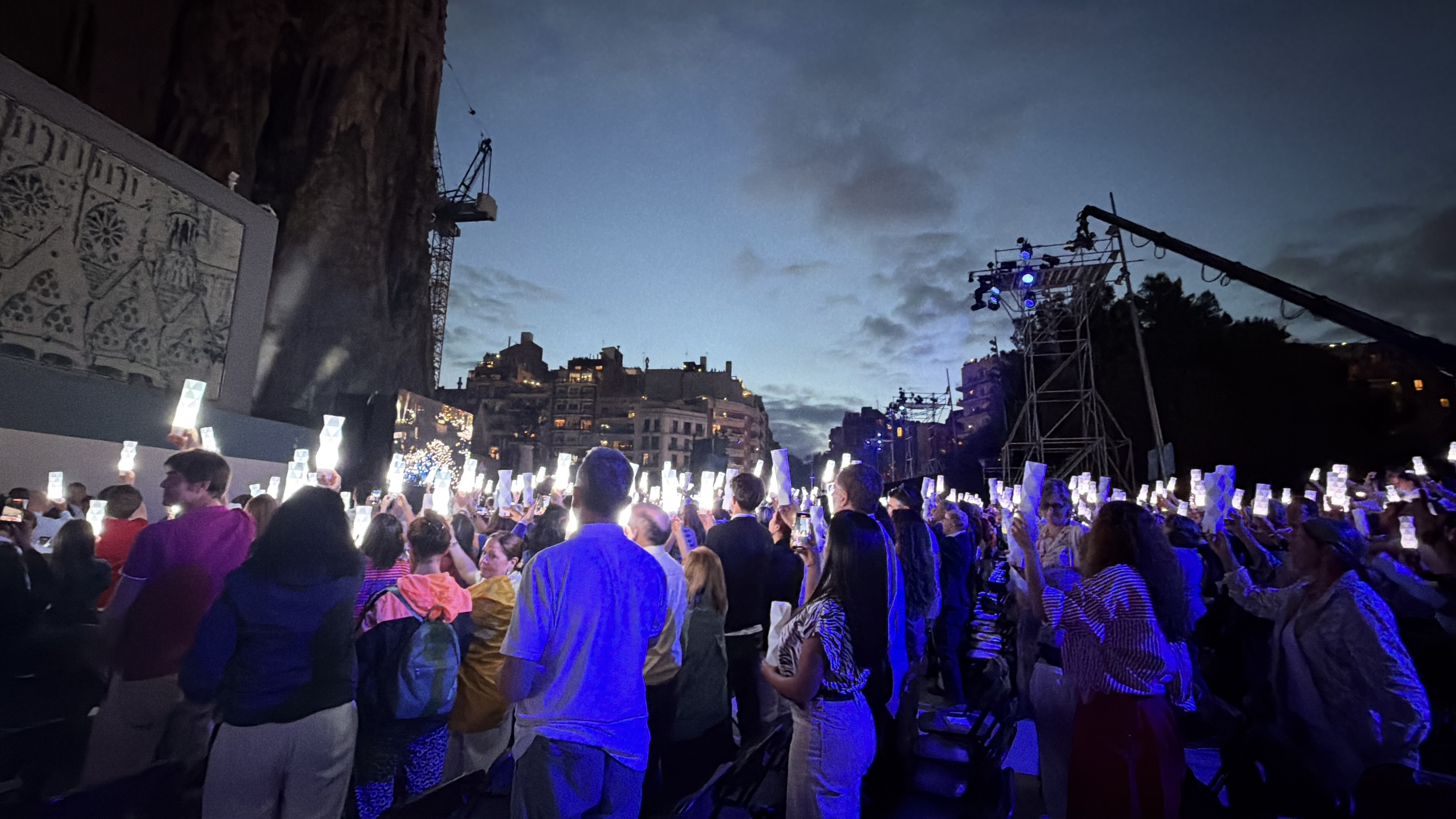
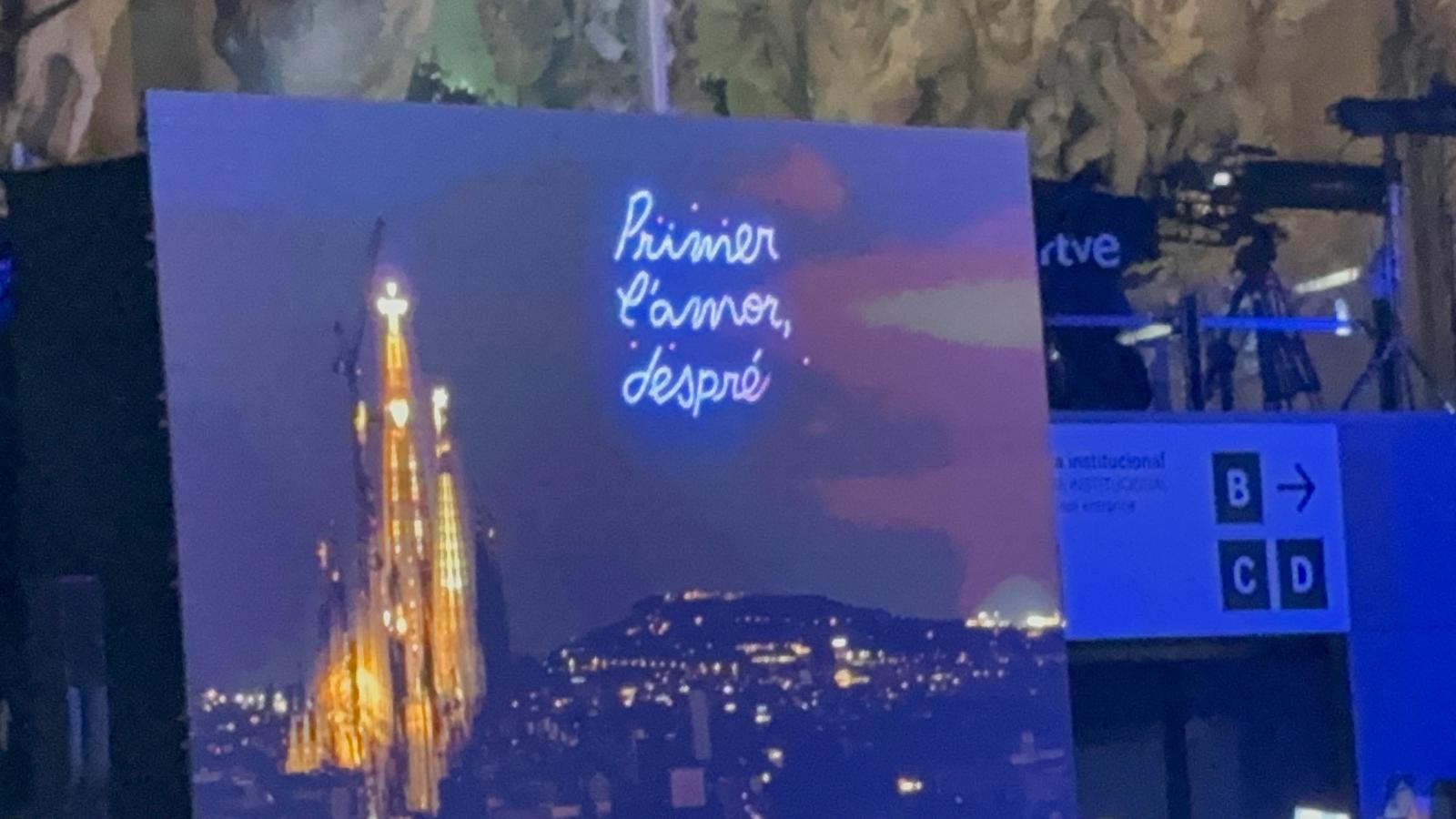
The story began on March 19, 1882, when the first stone was laid on the feast day of St. Joseph. Francisco de Paula del Villar was first entrusted with the project, before Gaudí took over in 1883 while still working on other commissions.
From 1914 until his death in 1926, Gaudí devoted himself fully to the temple.
On November 7, 1982, Pope John Paul II became the first pontiff to visit the Sagrada Familia, coinciding with the 100th anniversary of the beginning of its construction.
Five generations have now watched the temple rise over Barcelona.
For the city, it was a once-in-a-generation event: a tribute to Gaudí’s genius, a milestone in the construction of the basilica, and a moment of faith led by Pope Leo XIV.
More than a century after Gaudí’s death, his dream continues to rise above the city.
But more than his architecture, it is Gaudí’s message of faith in God and love, carried forward by generations, that will stand beyond any interpretation.


