



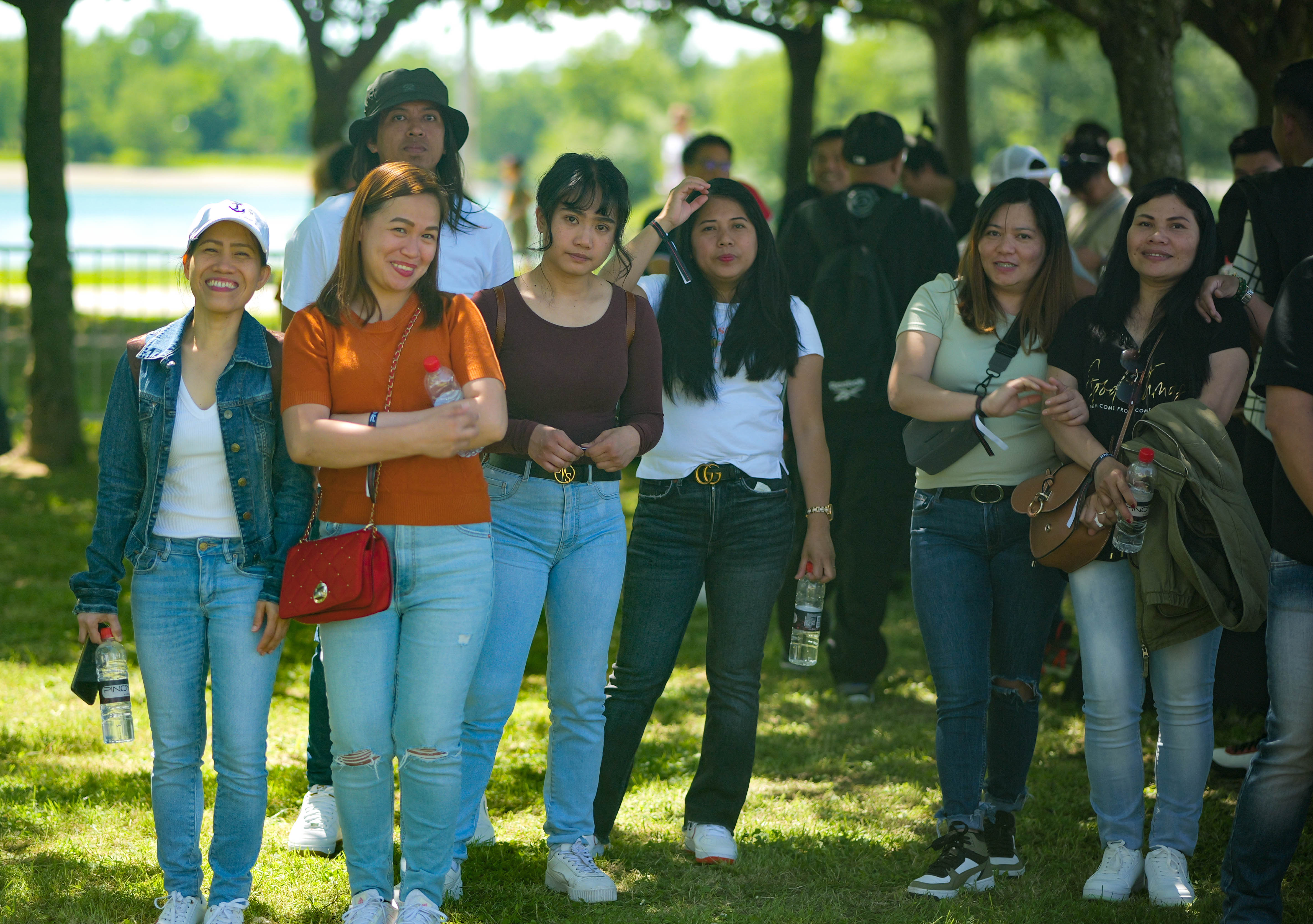
Under Pressure: Filipino Migrant Women Navigating Life And Work In Croatia
With Authors Iva Tadić & John Paul Magalang
SAGREB, Croatia—In recent years, Croatia has been facing significant demographic changes and growing labour shortages. As a result, the country increasingly relies on immigrant workers. While imigration helps maintain economic stability, it also raises important questions about the everyday lives and well-being of the immigrant workers who are now an essential part of Croatia’s workforce. The issue is not only economic, it is also deeply social and personal.
A newly published study by the Croatian Institute for Migration Research (Authors: Dr. Ivan Balabanić, Dr. Goran Bandov and Dr. Iva Tadić), conducted in partnership with Philippine researcher John Paul Magalang, offers the first detailed insight into the experiences of Filipino women working in Croatia. The research comes at a symbolic moment, as Croatia and the Philippines strengthen their cooperation in labour mobility.
The study included 157 Filipino women between the ages of 25 and 48, who have lived and worked in Croatia from six months to three and a half years. Several patterns have emerged.
Nearly half of the women hold a bachelor’s degree, yet many work in jobs below their qualifications, most often in hospitality, retail and industrial production. Even so, most describe their move to Croatia as a positive step that allows them to secure financial stability for them and their families. One Filipina states: “In Croatia I feel great, truly happy. I’m earning good money and I finally feel like I can support my family back home. I earn much more as a cashier than I used to as a teacher.”
Although many arrived through short-term or seasonal contracts, the research shows that a large share of Filipino women are already thinking about a longer future in Croatia. Many imagine staying for six to ten years (36%), while others hope to remain until retirement or even permanently (42%), integrating into Croatian society and, in some cases, bringing their families to join them (29%). What shapes their optimism is not only income but also the human environment they have found, with 57% reporting they have four or more close Croatian friends.
Safety is often mentioned as one of the most valued aspects of life in Croatia.

One woman described it this way: “I’m thankful that I can walk home at night without fear. That means freedom to me.” Many say they appreciate the warmth of Croatian people, the pleasant climate that offers snow as well, and the familiarity of living in a Catholic country, which makes adjusting to the daily life easier. One woman described her experience with a smile: “It is a small country, but the hearts here are big.”
However, the study also points to significant challenges. Language remains the biggest barrier (93% of participants do not speak Croatian), making both social life and workplace communication more difficult. On top of this, many women describe the emotional cost of separation from loved ones, navigating cultural differences, and facing occasional experiences of discrimination, making integration more difficult. Together, these factors contribute to elevated stress levels, with 40% of participants experiencing stress frequently. This elevated stress can have consequences for health as well: 5% of respondents report difficulties with physical health, and 7% with psychological well-being. Yet even with these challenges, an impressive 86% of women say they feel they are part of Croatian society. Some of them mentioned small but meaningful moments that helped them to adapt: “I learned to find joy in small things – walking by the sea after work, cooking with my friends, or hearing someone say “thank you” in Croatian.”

When subjective overall quality of life was measured, Filipino women had an average score of 6.4 on a scale from zero to ten. This is higher than the average for immigrant workers in Croatia (4.6), though lower than the general population in Asian countries (7.0) and lower than Filipino men working in Croatia (6.8). They reported greatest satisfaction with their health and sense of security, while social relationships and material living conditions were the most challenging dimensions, largely due to the physical distance from loved ones back home. Despite this, an overwhelming majority of 93% stated their quality of life has improved since moving to Croatia and quality of life was higher among younger women, those planning longer stays, those experiencing lower stress, and those with more positive migration experiences.
When compared to other female immigrant workers, Filipino women differ in several notable ways. They are, on average, older (around 35 compared to 31), and none of them have only primary education. They are also somewhat less likely to be married, more frequently employed in the hospitality and tourism sector, and they speak Croatian significantly less than other nationalities. The most profound difference, however, emerges in their plans for the future. Filipino women are more likely than other migrant women in Croatia to envision a long-term or even permanent stay in Croatia.

The findings of this study are especially relevant at this moment when Croatia and the Philippines continue to develop structured labour-mobility programmes. They provide a model for how smaller EU member states can responsibly engage in recruiting workers from non-EU countries. The study encourages policy makers to look beyond employment numbers and address issues such as integration, language learning, social support and overall quality of life. For the Philippines, the partnership opens a new potential destination for overseas Filipino workers beyond traditional labour markets. For Croatia, this means strengthening integration programmes and monitoring worker well-being. Given the growing number of Filipino workers and the increasing visibility of their experiences, it is essential to move from basic administrative support to a preventative, targeted, and holistic institutional and social support programme – one that promotes not only economic integration, but also emotional well-being and a sense of cultural belonging. This includes establishing regular check-ins to assess workers’ living and working conditions, providing mandatory intercultural competence training for employers, implementing clear and enforceable anti-discrimination mechanisms, and improving access to psychological support services in workers’ native languages.

Strengthening cooperation between Croatian institutions, employers, civil society organizations, and the Filipino community would help ensure that support is both effective and culturally sensitive.
Above all, the study serves as a reminder that behind every signed work contract stands a personal story - stories of women who provide for their families while seeking sense of dignity, belonging and equality far from home. The message is clear: improving the quality of life of migrant workers is just as important as creating job opportunities.
Photos: Courtesy Pinoy 385


