



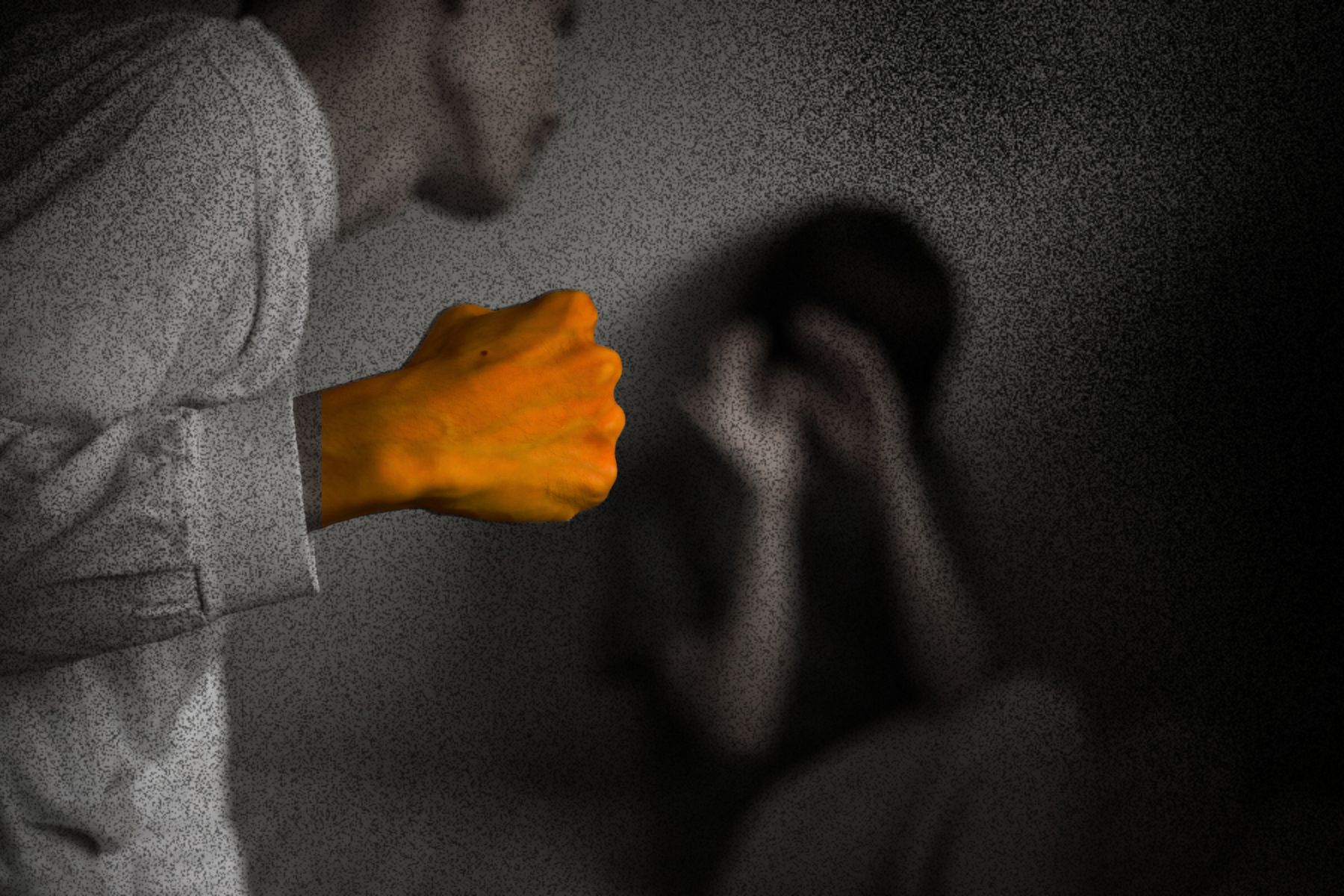
You Are Not Alone: Help and Support For Domestic Violence In Germany
BERLIN, Germany — On International Women’s Day, conversations around the world focus on equality, dignity, and women’s safety.
In Germany, that message carries a quiet but urgent reminder — especially for Filipinas who may be living in fear behind closed doors.
Recent police data show that domestic violence remains a serious issue nationwide.
In 2024, Germany recorded over 250,000 victims of domestic violence, with women making up the majority.
According to Frauenhaus Koordinierung e.V. about one-third of female victims were non-German nationals.
In one dataset, roughly 33% of female victims of partnership violence in German women’s shelters had a non-German nationality, indicating that migrants and foreign nationals (including potentially Filipinas) are among those affected.
Some arrived in Germany with dreams. Some followed love. Some built families. Some came for work. But for a number of women, life abroad has also meant isolation — language barriers, financial dependence, uncertainty about immigration status, and, in the worst cases, violence at home.
Authorities in Germany stress one crucial point: protection from violence applies to everyone living in the country — regardless of nationality or residence status.
Officials acknowledge that barriers such as fear of deportation, language difficulties, financial dependence, or cultural stigma may discourage women from seeking assistance. Authorities emphasize that no individual should remain at risk due to misinformation or concerns regarding immigration status.
In acute danger, always call 110
When violence escalates — when threats turn serious, when stalking intensifies, when fear becomes immediate — the advice is clear: call 110, the emergency number of the Polizei.
Deputy Police Spokesperson in Berlin Jörn Iffländer stated that when there is an acute threat and a person may become the victim of a criminal offense, the emergency number 110 should always be dialed so police can intervene protectively.
Police are legally required to act when they become aware of a criminal offense. They can remove a violent individual from the home — even if his name is on the lease. For 14 days, he can be barred from entering the shared apartment, and the order can be extended if danger continues.
The message is simple: the victim does not have to leave. The aggressor does.
Immigration fears should not prevent seeking help
Many Filipinas hesitate to report abuse because of immigration fears. Some are told, “If you go to the police, you will cause problems.” Others fear deportation — especially if their partner’s residence permit is linked to having a child in Germany.
Authorities are clear: protection from violence does not depend on immigration status.
Women who are undocumented, have temporary or permanent residence, or hold German citizenship are protected under criminal law. Filing a report does not automatically trigger immigration penalties for the victim.
If a father’s residence permit is based on having a child in Germany, that status does not shield him from criminal responsibility.
When children are involved
When children are affected, family courts and the Jugendamt decide custody and visitation based on the best interests of the child. If there are credible concerns of abuse, courts may impose supervised visitation or restrict contact. Serious violence can also trigger a review of residence status.
Child support is legally enforceable. The Jugendamt can assist in collecting payments or provide advance support (Unterhaltsvorschuss) to ensure a child’s welfare.
24/7 Confidential Assistance
• Hilfetelefon Gewalt gegen Frauen – 116 016 (free, anonymous, multilingual, 24/7)
• Berlin: BIG Hotline – 030 611 0300
The message this International Women’s Day is clear:
Protection in Germany is not limited by passport, residence permit, or language ability.
For every Filipina living in Germany — documented, undocumented, or naturalized — you are protected by law. You are not alone.


