



Institutional Autonomy Versus Rule of Law: Inside the Philippine Senate
The Senate of the Philippines faces an unprecedented constitutional and operational crisis. The friction stems from a fundamental clash between traditional parliamentary immunity and the enforcement of international legal mandates, bringing institutional operations to a near-standstill.
The Catalysts of the Impasse
The current instability is driven by two interconnected developments:
The ICC Arrest Warrant: The International Criminal Court (ICC) unsealed an arrest warrant for Senator Ronald dela Rosa concerning charges of crimes against humanity during his tenure as chief of the national police. Following a six-month absence, his abrupt return to the Senate chamber on 11 May 2026 to participate in a leadership reorganization triggered a high-stakes standoff with law enforcement agencies.
The May 13 Security Breakdown: Tensions culminated in a security lockdown and an exchange of gunfire within the GSIS Senate building on 13 May 2026, as the National Bureau of Investigation (NBI) attempted to serve the warrant. This incident has prompted a Department of Justice (DOJ) subpoena and fact-finding investigation into the inventory and discharge of firearms by Senate security personnel.
Procedural Fractures and the Remote Voting Debate
The geopolitical crisis has rapidly transformed into an internal legislative gridlock. The core of the current legislative dispute centers on proposed amendments to Senate Rule XIV, Section 41.
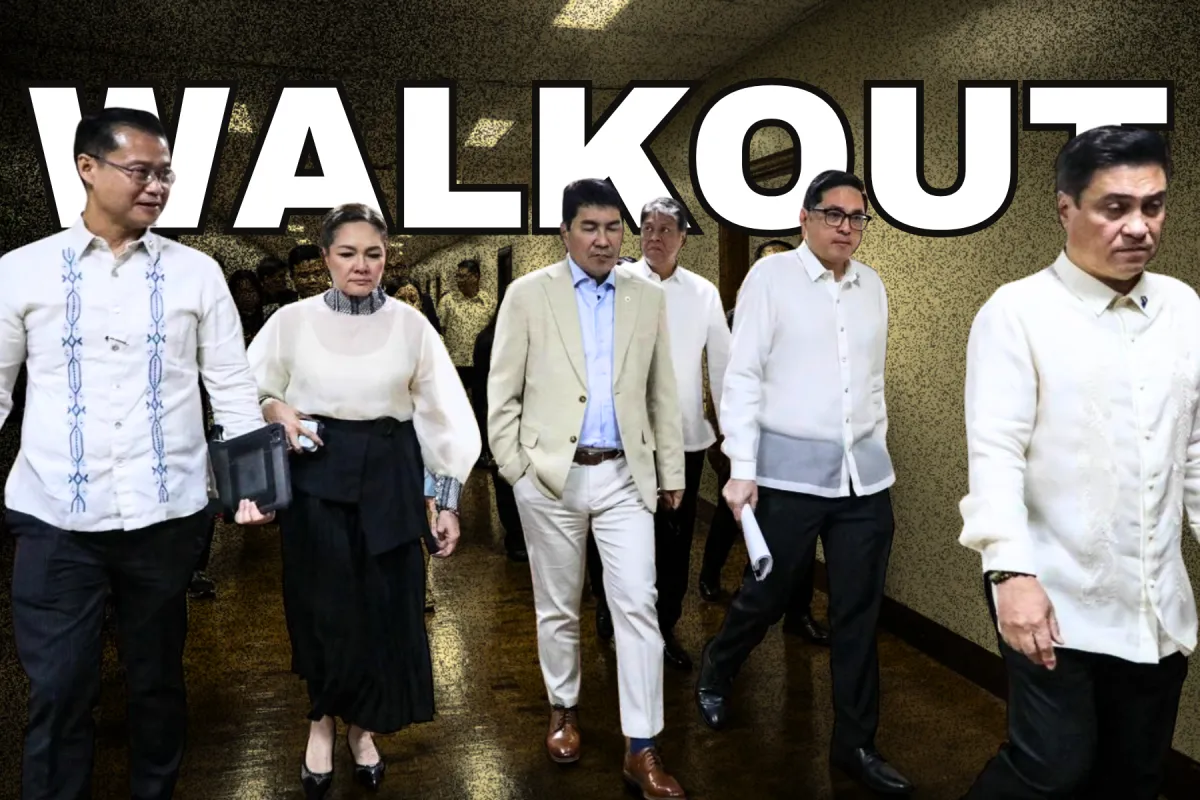
Historically, remote participation and electronic voting have been strictly limited to periods of force majeure or declared national emergencies, such as the COVID-19 pandemic. A push by the newly formed Senate majority to expand these rules to allow remote voting for "justifiable reasons"—which critics argue is tailored to facilitate participation by an at-large senator—led to a dramatic walkout by ten minority senators on 26 May 2026. By breaking the plenary quorum, the minority bloc successfully stalled the legislative machinery.
Analytical Outlook
This institutional paralysis highlights a deeper systemic friction point in Philippine governance:
The Scope of Parliamentary Sanctuary: The executive branch, through the DOJ and local law enforcement, maintains that local courts have cleared the path for enforcement after the Supreme Court denied requests for a temporary restraining order against the warrant. Conversely, elements within the legislative leadership view the physical arrest of a sitting member inside the chamber as a direct violation of co-equal branch independence.
Implications for Looming Proceedings: The procedural dispute over remote voting carries significant consequences beyond regular legislation. With the Senate recently convening as an impeachment court, the rules governing member attendance and voting eligibility will directly impact the validity and perceived legitimacy of any upcoming high-profile trials.
As the executive branch maintains a policy of non-interference whilst simultaneously investigating the Senate’s internal security response, the upper chamber is left to resolve a critical question: how to balance the traditional protective privileges of its members against the unyielding demands of legal accountability.


