



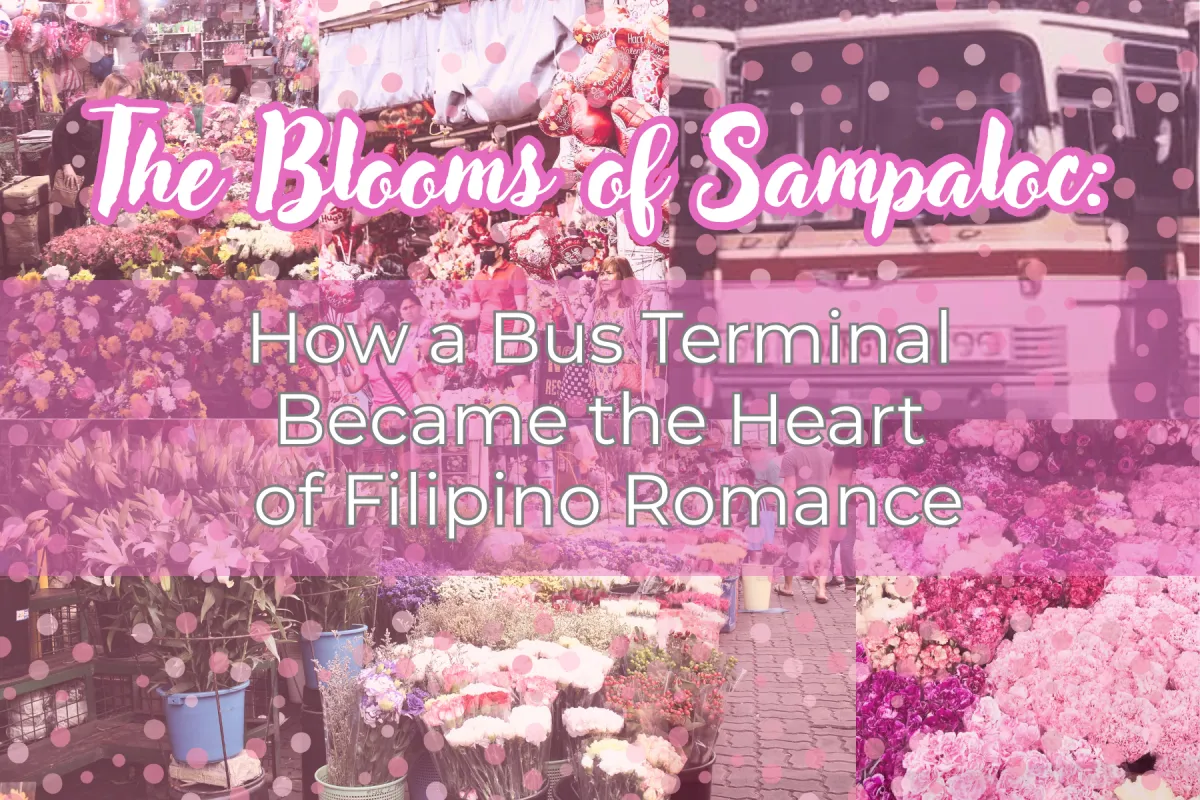
The Blooms of Sampaloc: How a Bus Terminal Became the Heart of Filipino Romance
In the narrow, bustling streets of Sampaloc, Manila, there is a place where the air smells perpetually of crushed stems and sweet nectar—even amidst the sharp fumes of passing jeepneys. This is Dangwa, officially known as the Bulaklakan ng Maynila. While it is a hive of activity year-round, it truly comes alive as the "epicentre of love" every February, serving as a vital symbol of Valentine's Day in the Philippines.
From "Green Gold" to City Streets: The Origin Story

(Photo: Pinterest/Joseph Deplomo Santiago)
The name "Dangwa" does not actually belong to a flower or a historical figure from Manila. It is borrowed from the Dangwa Transportation Company (Dangwa Tranco), a bus line founded in 1928 by Bado Dangwa in the Cordillera mountains.
The market's history began in the late 1950s and early 1960s, not as a planned commercial hub, but as a byproduct of logistics. Dangwa Tranco buses were the primary link between the highlands of Benguet and the lowlands of Manila. While they were meant to carry passengers and vegetables, enterprising farmers began loading crates of "green gold"—freshly cut roses, chrysanthemums, and lilies—into the buses' luggage compartments.
By the mid-1970s, these buses unloaded their floral cargo at the terminal on Dos Castillas Street. Small vendors, many of whom were residents of the area, began selling the "leftover" blooms directly on the sidewalk. What started with just eight vendors in the 80s eventually exploded into a sprawling 24-hour district that now houses over 150 stalls.
The Imelda Influence and the 24-Hour Shift

(Photo: PNA/Joan Bondoc)
The market’s transition from a small sidewalk trade to a national landmark was fueled by two major factors in the 80s and 90s:
High-Society Demand: During the Marcos era, First Lady Imelda Marcos famously ordered massive quantities of flowers to decorate Malacañang Palace. The high-end florists she commissioned sourced their freshest stock from Dangwa, cementing the market's reputation as the "bagsakan" (wholesale hub) for the entire country.
The 24/7 Tradition: In 1994, to accommodate the midnight arrivals of provincial buses and the early-morning needs of event stylists, vendors began operating around the clock. This made Dangwa a beacon for "last-minute" shoppers—a trait that would later define its Valentine's Day fame.

(Photo: PIA)
A Symbol of Valentine's Day
Dangwa became the symbol of Filipino Valentine’s Day because it democratised romance. In a country where premium flower shops can be prohibitively expensive, Dangwa offered "the language of flowers" to everyone.
Every February 11 to 14, the district undergoes a transformation:
The Price Barometer: The national news regularly reports on "Dangwa prices" to signal the start of the Valentine's rush. A single rose might jump from ₱30 to ₱150, yet the crowds only grow larger.
The Midnight Vigil: It has become a modern Filipino tradition for suitors and spouses to visit Dangwa at 2:00 a.m. on Valentine’s Day to catch the "newest arrivals" from Baguio or Davao before the sun comes up.
Creative Resilience: From traditional bouquets to the modern "vegetable" or "money" bouquets, Dangwa florists are known for adapting to the quirky, heartfelt trends of Filipino courtship.
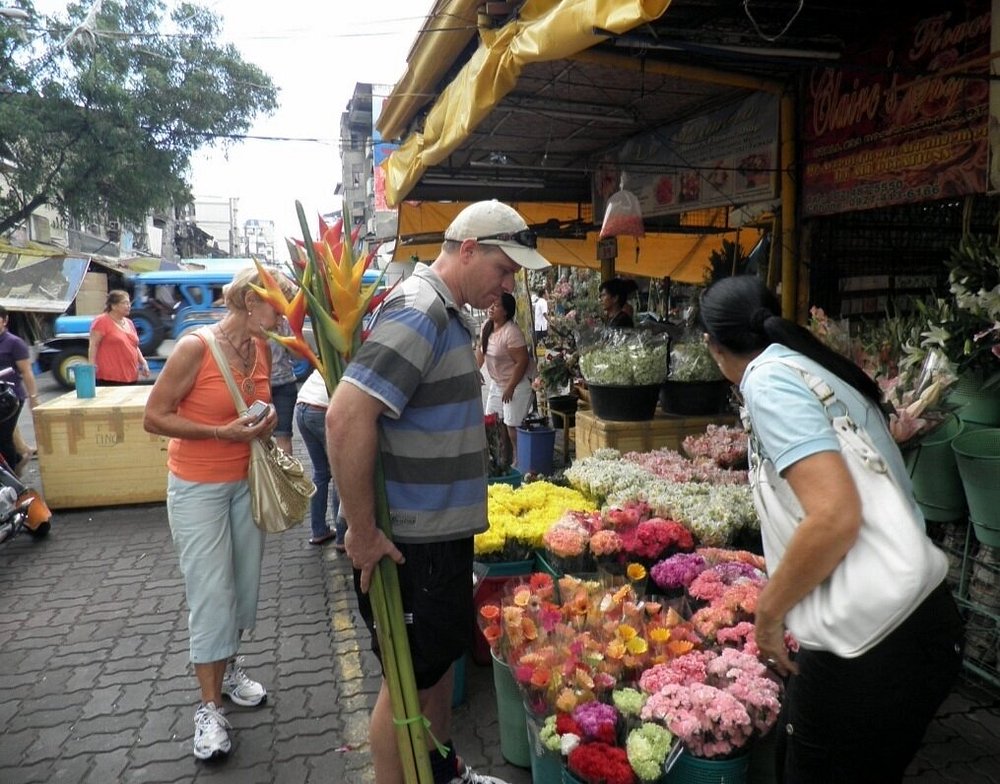
(Photo: Tripadvisor)
Dangwa Today: A Global Garden
Today, the market is no longer limited to Cordillera blooms. While the Benguet roses remain the heart of the trade, you can find tulips from the Netherlands, carnations from China, and long-stemmed roses from Ecuador.
As Manila continues to modernise, Dangwa remains a stubborn, beautiful reminder of how a simple bus terminal transformed into a place where millions of Filipino love stories begin—wrapped in cellophane, tied with a ribbon, and hand-delivered with hope.


