



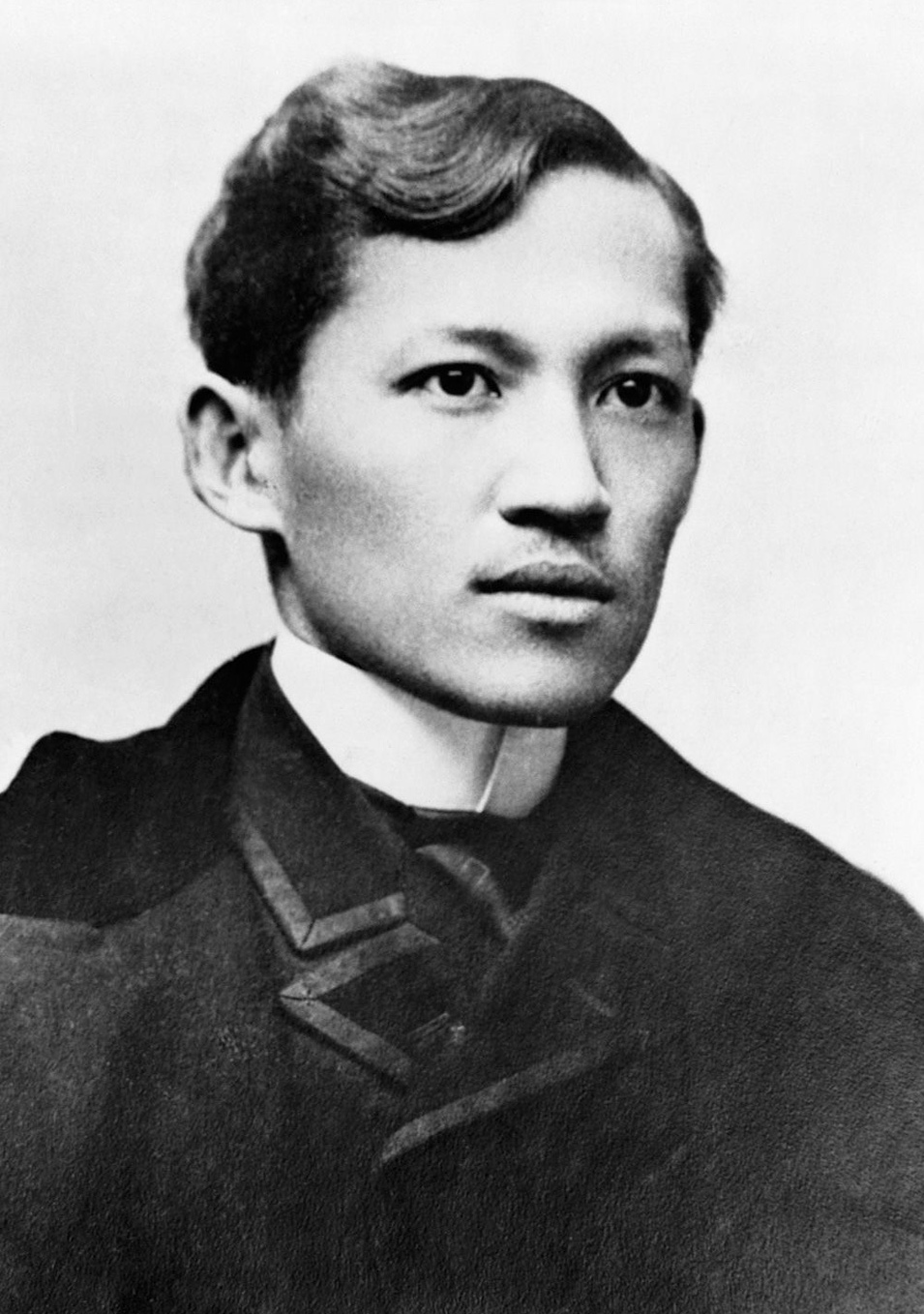
The Boy from Calamba: How a Lakeside Childhood Forged José Rizal
Long before he became the intellectual figurehead of a revolution, José Rizal was simply "Pepe"—a frail, unusually quiet boy growing up in the lakeside town of Calamba, Laguna. Born on 19 June 1861, his early years were spent in a spacious stone house nestled between the shores of Laguna de Bay and the slopes of Mount Makiling. This idyllic landscape, rich with green sugar fields and orchards, provided the backdrop for a childhood that was comfortable, deeply spiritual, and tightly bound by family.
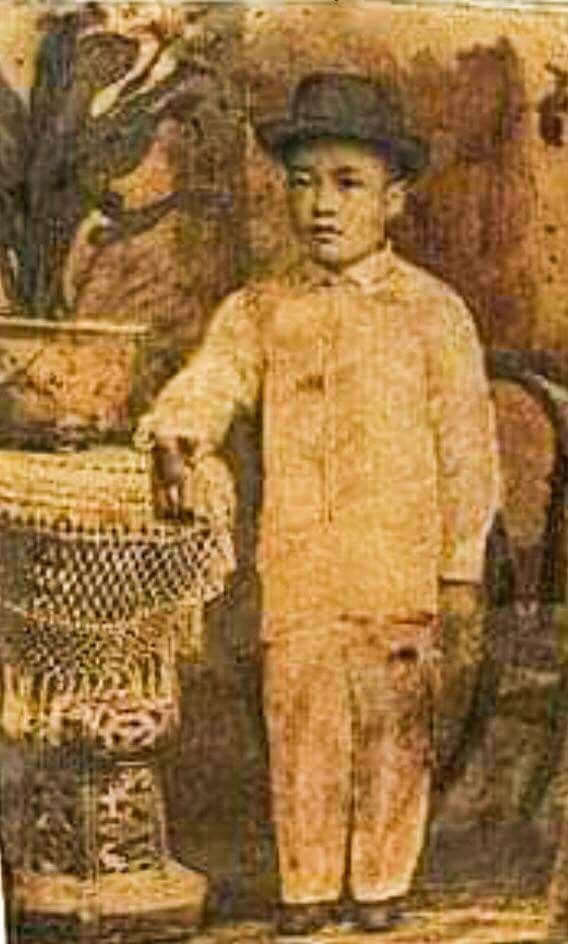
The seventh of eleven children born to Francisco Mercado and Teodora Alonso, Pepe grew up in an affluent household where books were prized possessions. His first and most profound intellectual anchor was his mother. A highly educated woman for her time, Doña Teodora sat with her three-year-old son by the light of a kerosene lamp, teaching him the alphabet and how to read. It was during these evening lessons that she recounted the fable of the young moth attracted to the flame—a story the young Rizal never forgot, finding a strange beauty in the creature's choice to die for the sake of the light.
Rizal’s innate creative curiosity manifested early. He spent hours in the family orchard carving wax and clay, sketching, and writing verses. At just eight years old, he penned a Tagalog drama so well-crafted that a visiting municipal captain from Paete purchased the manuscript for two pesos—a considerable sum at the time that delighted his parents.
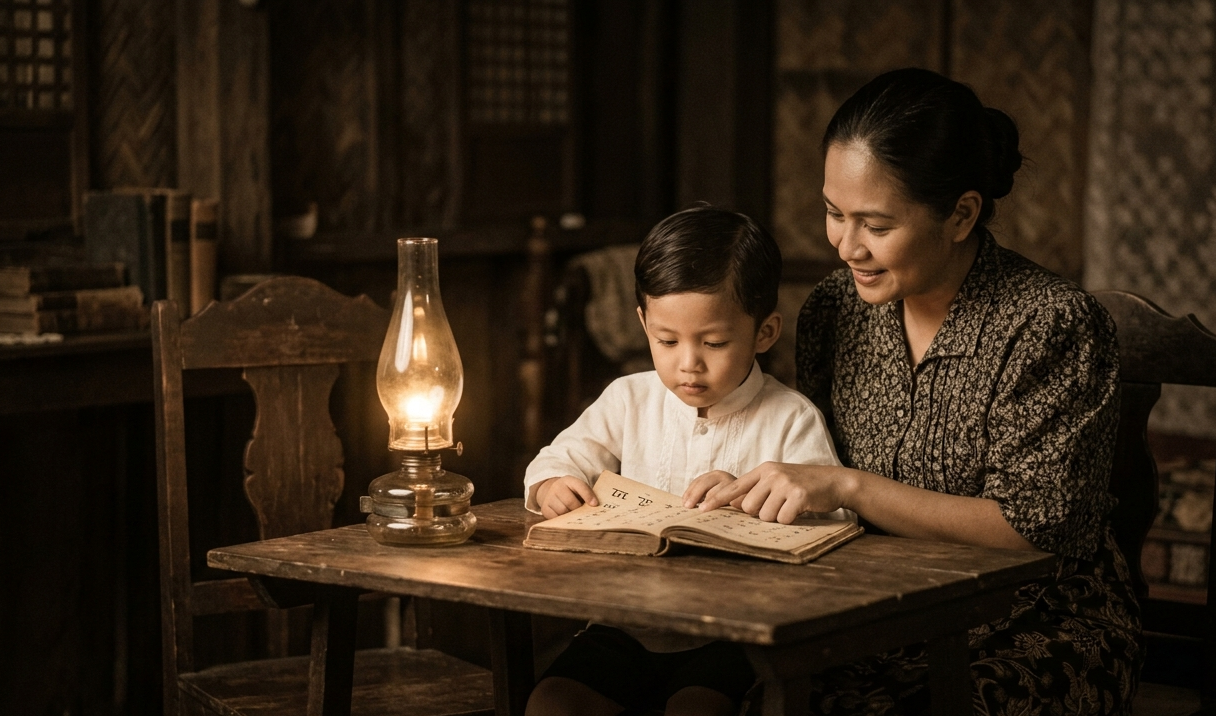
Yet, this protected world of books and lakeside folklore was not to last. In June 1869, at the age of eight, he was sent away to Biñan to begin formal schooling under the strict Maestro Justiniano Aquino Cruz. Lodging at an aunt's house, the young boy coped with bouts of homesickness by immersing himself in his lessons, quickly outstripping his older classmates in Spanish grammar and Latin.
The true end of his childhood innocence arrived in 1871. In a sudden abuse of colonial authority, his mother was falsely accused of conspiring to poison her sister-in-law. Doña Teodora was forced to walk 50 kilometres on foot from Calamba to the provincial prison in Santa Cruz, where she was unjustly incarcerated for two and a half years.
This domestic tragedy was soon compounded by a national one. In February 1872, the Spanish colonial government executed the reformist priests Mariano Gomez, José Burgos, and Jacinto Zamora. The event shook the Rizal household to its core. Pepe’s older brother, Paciano, a student and close confidant of Father Burgos, found his academic career shattered by association. Returning to Calamba a marked man, Paciano chose to channel his thwarted ambitions into his younger brother, becoming Pepe’s protector and guide.
In June 1872, with his mother still languishing in prison and the shadow of the Gomburza executions hanging heavily over his family, an eleven-year-old Rizal boarded a boat for Manila to study at the Ateneo Municipal. He left behind the quiet shores of Calamba, carrying the twin burdens of family grief and a nascent awareness of his country's suffering—the very catalysts that would transform the boy artist into a national icon.
And as they say, the rest was history.


